
 By
By 
As a parent, creating a safe, healthy, and sustainable home for your family is a priority. Sustainable home improvements not only contribute to a healthier environment but also help you save money in the long run.
With increasing awareness about climate change and the need for eco-friendly living, now is the perfect time to make thoughtful, sustainable changes to your home. Here’s a guide to help you get started.
Insulating Your Home Effectively
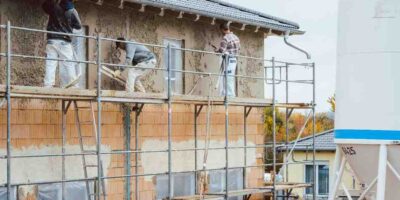
One of the simplest and most impactful ways to improve your home’s sustainability is through better insulation. Proper insulation reduces the need for heating and cooling, helping you cut down on energy usage. Consider upgrading your attic insulation or using energy-efficient windows to ensure your home stays comfortable year-round.
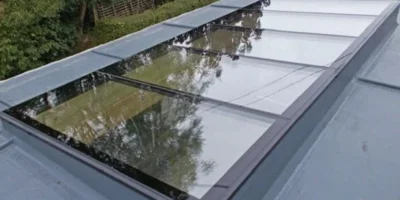
Another great option is to use materials like polycarbonate sheets for window glazing. These sheets provide excellent insulation properties while letting in natural light, reducing the need for artificial lighting. Polycarbonate is also a durable, eco-friendly material that can withstand harsh weather, making it a cost-effective option for your home.
Embracing Renewable Energy
Solar panels are an increasingly popular option for homeowners looking to reduce their carbon footprint. Installing solar panels on your roof can help you harness the power of the sun to generate your own electricity. While the initial installation cost can be high, government incentives and energy savings will help you recoup your investment over time.
If solar panels aren’t an option for your home, consider other renewable energy alternatives like wind power or ground-source heat pumps. These technologies are becoming more accessible and affordable, providing reliable, green energy sources.
Water Conservation
Water usage is a significant part of your home’s environmental impact. Simple changes, such as installing low-flow taps, showerheads, and toilets, can drastically reduce water consumption. These changes are especially useful in households with young children, where baths and showers can use large amounts of water.
Consider collecting rainwater with a rain barrel to use for watering your garden or plants. This simple system reduces the need for tap water and helps maintain your garden with minimal effort. Opting for drought-resistant plants in your garden can lower the amount of water required for landscaping.
Energy-Efficient Appliances
Investing in energy-efficient appliances is another great way to make your home more sustainable. Look for appliances with the Energy Star label, which indicates they meet strict energy efficiency standards. These products use less electricity and water, helping you lower utility bills and reduce your home’s environmental impact.
Consider upgrading your washing machine, refrigerator, and heating system to more efficient models. If you have a dryer, using a clothesline during sunny days will not only reduce energy use but also extend the life of your clothing.
Final Word
Making sustainable home improvements doesn’t have to be an overwhelming task. By taking small steps to insulate your home, embrace renewable energy, conserve water, and choose eco-friendly materials, you can make a big difference in your family’s environmental footprint.
Sustainable living is not only better for the planet, but it also creates a healthier, more cost-effective home for you and your loved ones. Start with one or two of these changes, and soon you’ll be well on your way to a greener, more sustainable home.











Comments