
 By
By 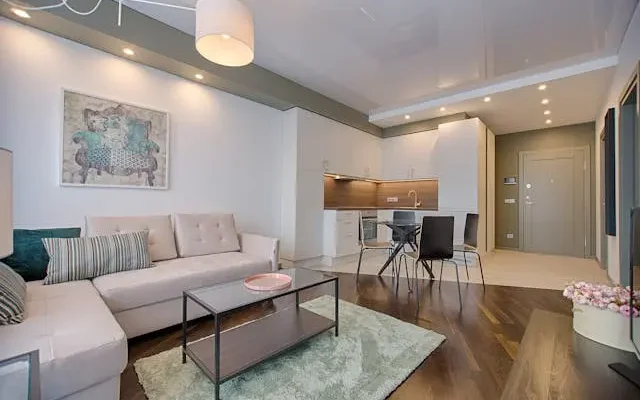
Colour may be the thing that draws your eye in a room, but texture is what makes it linger. Beyond that, it’s what forms the impression you get from the space. How it feels and how it connects with you on a daily basis.
There are endless cases of interior designers seeing how their clients pour energy into selecting the perfect colour palette, when colour is only part of the story.
And if you dig deeper into interior design philosophy and practice, you’ll soon discover that, rather than being about what you see, great design is actually about what you experience. And while colour can and does set the right tone in a room, texture will sustain it.
How does that work? Let’s find out:
Why Texture Matters
Colour, naturally, is a very, very visual element. But texture? Texture is deeply tied to how we interact with our environment. Just think about how you sink into your favourite soft armchair, how the duvet feels when you go to bed, and how you love the sound of brushing your hand across the thistles of your curtains. When colour is visual, texture is all sensory.
And more often than not, we seriously underestimate the emotional influence a sensory experience can have on us.
The Emotional Power of Texture
There is a deep emotional response to sensing and surrounding oneself with different textures. You engage in a tactile dialogue that goes beyond aesthetics. In fact, each fabric carries its own emotion:
Velvet and faux fur are relaxing, inviting you to a place of warmth and bringing a sense of luxury. Linen, cotton, wool — these are all breathable, natural fabrics that promote freshness, calm and restfulness. More structured textures like leather give us a sense of order, stability and grounding. So, really, each fabric builds the surroundings physically and emotionally.
Texture can even go as far as influencing our wellbeing. For example, thick weaves absorb noise, soft furnishings enhance thermal comfort, and the way you allow these materials to interact will impact the atmosphere throughout the day.
If you want to create rooms that are beautiful and livable, then you have to turn to texture.
Depth, Dimension & Visual Interest
What is texture, apart from the emotional charge, capable of bringing? It’s lasting depth, especially when layers of materials like wood, fabric, stone, metal (you name it!).. It will keep things visually engaging for a long time.
However, contrast is key in this endeavour. Pair soft with hard, smooth with rough, matte against glass, and you’ll create richness—like velvet cushions on a leather sofa or textured wallpaper alongside glossy mouldings. It’s the juxtaposition that’ll draw the eye and invite more exploration.
And it may surprise you, but light can further enhance the effect. Natural fibres, stone, and metallic accents each respond differently to the changing daylight. So at different moments of the day, your space will shift into different characters. This only means one thing: you’ve built a room full of character, one that is ever alive and never static.
Texture vs. Colour: Why Texture Overweights Colour
Imagine a room in neutral, monochrome colours. While classy, it can feel flat until textures come in. Then, all of a sudden, it becomes warm, inviting, and multidimensional.
And while colour trends come quick and go even quicker, natural materials and tactile fabrics remain timeless. What this means is that you can build a solid texture and refresh a space with seasonal or accent colours here and there without overhauling the foundation of the room.
Finally, texture enhances your home’s architecture. Finishes, be it gloss, matter, or textured wallpaper, can draw out details like beams or mouldings, ensuring the bones of a home shine rather than fade into the background.
Read Also: Modern Great Room Design for the Elevated Home
Expert Tips On How to Incorporate Texture In Your Interior
Layer with deliberation. Aim for at least three different textures per room. It can be simple pairings like wool throws over linen bedding or velvet cushions on structured upholstery. And don’t forget vertical surfaces – textured wall art or fabric panels can add depth and visual interest to walls.
Blend beauty and function. Yes, fabrics can be very beautiful, but make sure they are also functional. For example, in busy areas, opt for hypoallergenic textiles, as wellbeing matters the most.
And don’t hesitate to adapt your textiles seasonally. Keep space fresh by using lighter fabrics in summer and layering heavier ones in winter.
The Lasting Power of Texture
Understand that texture won’t decorate your room; it will define it. It will capture the heart the way colours can’t, and it will create spaces that feel as rich and layered as they look.
The best interiors are those that manage to engage all the senses. They are beautiful, inviting, and perform effortlessly over time. So start thinking beyond colour palettes. Learn to feel your materials, contrast your finishes, and layer your textures. Let fabrics lead the way, and you’ll have an interior that brings you comfort and a lasting impression long after the first glance.
Related Reads: Interior Design Trends 2025










Comments