
 By
By 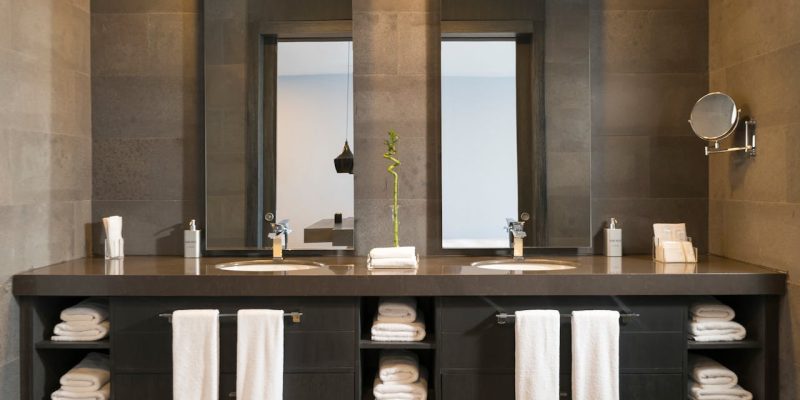
Modular bathroom solutions are revolutionizing modern construction. From my direct experience working on projects incorporating them, I can attest to their efficiency, sustainability, and cost-effectiveness. Prefabricated bathroom pods streamline installation, slashing labor costs and construction time while maintaining high-quality standards. Custom designs and durable materials allow these units to significantly improve project efficiency and lessen environmental impact. Let’s explore how modular bathrooms can elevate your building projects, ensuring quicker completion and top-notch functionality.
How Modular Bathrooms Improve Efficiency and Cost-Effectiveness
Modular bathrooms radically improve construction efficiency, leading to significant cost savings. These pre-manufactured units allow projects to finish faster, require less on-site labor, and generate less waste compared to building a bathroom from scratch. Traditional bathroom construction requires plumbers, tilers, electricians, and other specialists to work in sync, often resulting in scheduling conflicts and delays. Modular bathrooms arrive virtually ready for installation, simplifying integration into a building structure.
Cost predictability is a significant advantage. Modular bathrooms are produced in controlled factory settings, ensuring stable costs. This eliminates surprise expenses associated with weather delays or on-site errors. Because these bathrooms are mass-produced, savings are realized on both materials and labor. Developers benefit from simplified budget management and adherence to timelines due to fewer unpredictable variables.
From a sustainability perspective, modular bathrooms minimize on-site disruptions and significantly reduce construction waste. Factory precision ensures efficient material use, reducing environmental impact. This enables builders and developers to meet higher sustainability targets and complete projects faster. For instance, implementing modular bathrooms can contribute to achieving LEED (Leadership in Energy and Environmental Design) certification points by minimizing waste and promoting resource efficiency. (Source: U.S. Green Building Council)
Choosing the Right Prefabricated Bathroom for Your Building Needs
Selecting the correct modular bathroom is critical for project success. It requires carefully evaluating your specific building requirements.
Consider Dimensions and Layout
Ensure a seamless fit with the overall architectural design. Prefabricated units come in various sizes, so thoroughly assess your space and functional needs before making decisions.
Material Selection
Choose between durable options like steel and concrete or lighter alternatives such as fiberglass and composite materials. Base your choice on longevity, moisture resistance, and ease of cleaning. Always verify compliance with local building codes to avoid inspection-related issues later on.
- Steel and Concrete: Ideal for high-traffic areas, offering superior durability and fire resistance.
- Fiberglass and Composites: Lighter, more cost-effective, and suitable for projects with weight restrictions.
Plumbing and Electrical Configurations
Examine plumbing and electrical configurations closely. Many modular bathrooms feature pre-installed plumbing and wiring, simplifying on-site connections and reducing costs. Engaging engineers or contractors ensures compatibility with existing infrastructure.
Pro Tip: Request detailed schematics of plumbing and electrical layouts to facilitate seamless integration with your building’s systems.
Customization Options
Leverage customization options to tailor the bathroom to your project’s specific needs. Many manufacturers offer diverse fixtures, finishes, and accessibility options. Consider energy-efficient lighting, water-saving fixtures, and slip-resistant flooring to enhance functionality and sustainability. For example, installing low-flow toilets and showerheads can significantly reduce water consumption, contributing to LEED credits and lower utility bills.
Logistics and Installation
Address the logistics of on-site delivery and installation. Consider the unit’s weight, delivery method, and assembly requirements. Answering these questions upfront ensures smooth operations, saves time, and reduces labor costs. For instance, confirm that your site has adequate crane access for lifting and positioning the modular units.
By carefully considering these points, developers and contractors can maximize the benefits of modular bathroom solutions.
Find out more about how modular bathroom solutions are transforming modern construction with efficiency and sustainability: modular bathroom. I highly recommend exploring the possibilities they offer for your next project.











Comments