
 By
By 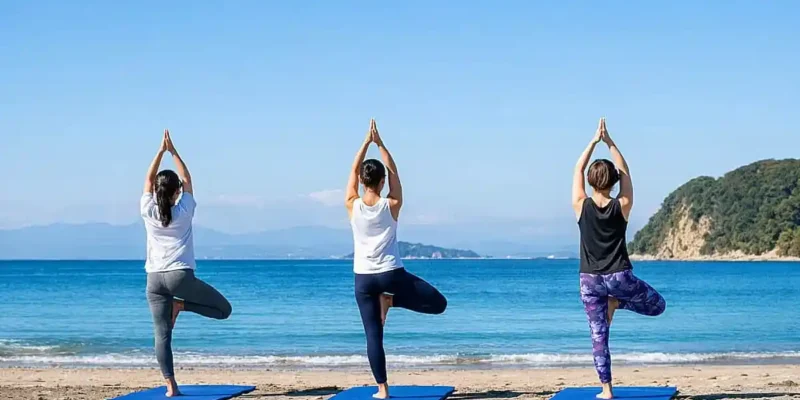
There was a time when the perfect holiday meant packing in as much as possible. Five cities in seven days. A checklist of landmarks. A camera roll bursting at the seams and a need for another holiday to recover from the first. Lately, though, something has changed. More of us are stepping off the treadmill of go-go-go travel and asking a quieter question: what if a holiday could actually feel restful?
This shift towards slower, more restorative breaks reflects a deeper craving for genuine downtime. After years of blurred boundaries between work and home, many travellers are no longer chasing thrills. They want to switch off properly, and they want the planning to be painless too.
The case for slowing down
Burnout has become part of everyday vocabulary, and holidays are bearing the brunt of our exhaustion. When you are already stretched thin, the idea of researching restaurants, mapping out transport links and juggling a dozen booking confirmations can feel like another job entirely. The holiday becomes a source of stress before it has even begun.
Slower travel offers an antidote. Rather than racing between sights, the slow approach invites you to settle in. You linger over breakfast. You read a book by the pool. You let the days unfold without an itinerary dictating every hour. The reward is a holiday that leaves you genuinely recharged, rather than depleted.
There is also something to be said for depth over breadth. Spending a week in one place lets you notice the small things, the morning light, the local bakery, the rhythm of a town that only reveals itself when you stop rushing. These are the moments that stay with you long after the tan has faded.
How package deals take the stress out of switching off
The appeal of slowing down is obvious. The challenge is getting there without the admin. This is where package deals come into their own. By bundling flights, accommodation and often meals into a single booking, they remove much of the mental load that makes planning feel like work.
All-inclusive holidays are perhaps the clearest example of this. With food, drink and activities accounted for upfront, there are no daily decisions about where to eat or how much to spend. You arrive, you unpack, and you let someone else handle the details. For anyone who spends their working life making decisions, that absence of choice can be wonderfully freeing.
Closer to home, country breaks offer a similar sense of ease with a gentler pace. A few days in the countryside, with little more to do than walk, eat well and breathe, has become an increasingly popular way to reset. The beauty of booking these as a package is that the logistics are handled for you, leaving you free to focus on the part that matters, which is actually relaxing.
Rest as the new luxury
The definition of a luxury holiday is quietly being rewritten. It is no longer measured purely by thread counts or infinity pools, though those certainly have their place. Increasingly, the real luxury is time, and the freedom to do very little with it.
A restorative holiday is an investment in yourself. It is the recognition that rest is not idle but essential, and that we return to our lives sharper, calmer and more present when we give ourselves permission to pause. Choosing a slower break is choosing to put your wellbeing first.
So when you next plan time away, resist the urge to fill every moment. Look instead for the trip that lets you exhale. Whether that is an all-inclusive escape by the sea or a quiet stretch of country breaks, the most memorable holidays may well be the ones where the most exciting thing you do is nothing at all.












Comments