
 By
By Post-Covid, business retreats in the UK have taken on a sharper purpose. With teams scattered across cities and time zones, companies are using retreats to restore trust, spark ideas, and build momentum. These gatherings now demand more than passive experiences. They require thoughtful planning, and every choice carries weight. Food has become a central feature. It sets the tone, shapes the atmosphere, and influences how people interact. A private chef brings focus and flair to that experience. The setup is flexible, the service is personal, and the quality is unmistakable. Across cottages, converted barns, and boutique rentals, companies are inviting chefs into their spaces and transforming ordinary meals into highlights.
This blog explores how private chef services enhance post-Covid business retreats in the UK. It looks at their unique advantages, practical fit, and growing appeal through the lens of data, behaviour, and real-world use.
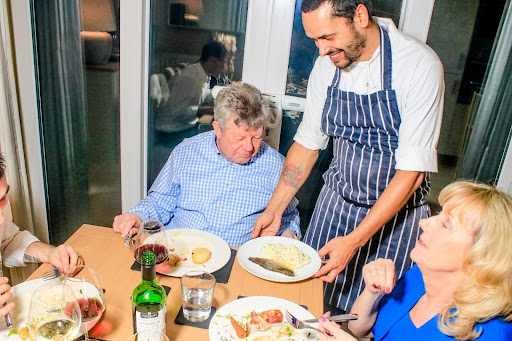
Rethinking Retreats in a Post‑Pandemic World
Business retreats now reflect the rhythm of hybrid work. Once a calendar filler, they have become a rare and deliberate chance for team cohesion. According to the UK’s Office for National Statistics, 44% of workers reported working remotely at least part of the time in 2023. That shift brought flexibility, but also fragmentation. Retreats serve to restore the social and strategic glue.
The spaces where these retreats happen reflect that shift. Rather than conference hotels, companies are choosing countryside houses, converted barns, and creative studios. These settings encourage informal conversation and deeper engagement. Within these spaces, the shared meal has taken on a larger role. It isn’t just about nourishment. It’s about creating rhythm and connection.
This is where traditional dining options fall short. Restaurant bookings often disrupt the flow of the day and catering can feel impersonal. Private chefs offer a middle path, one that blends high-quality service with the intimacy of a shared space.
Why Private Chefs Are Perfectly Suited to Modern Retreats
A private chef doesn’t just arrive with food. They arrive with the ability to shape an experience that matches the retreat’s tone and pace. Meals happen on-site, timed to fit the schedule, and designed to reflect the team’s preferences. This creates a seamless atmosphere where conversations carry from work sessions to dinner without interruption.
Menus are fully customised. Whether the group prefers a casual Mediterranean spread or a multi-course plated experience, the chef adapts. Dietary needs are not an afterthought. In fact, according to Yhangry’s report, 100% of its clients reported that their dietary requirements were fully met—compared with just 62% of restaurant diners, based on research from Statista.
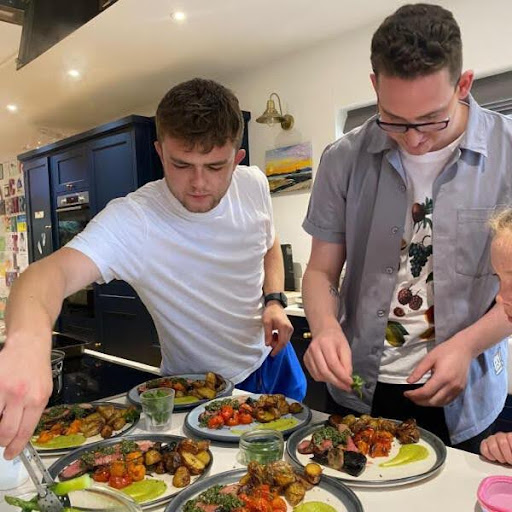
The chefs themselves bring experience and professionalism. More than 80% of those on Yhangry’s platform have at least three years of culinary training. Many have worked in Michelin-starred kitchens or led their own restaurant teams. The food quality reflects that background, and the delivery does too. Each dish arrives with confidence and craft.
This integration of skill, timing, and adaptability makes private chefs uniquely valuable for retreats. The service folds neatly into the flow of the day, supporting rather than interrupting the overall experience.
Turning Meals into Meaningful Experiences
When teams gather for a retreat, small moments often leave the deepest impression. The dinner table becomes one of those moments. With a private chef in the room, guests can ask questions, share feedback, or simply observe. There’s a rhythm and warmth to it. People connect over shared plates and open kitchens. The formality of a restaurant disappears. What remains is presence.
Yhangry’s booking trends reflect this growing demand for immersive dining. Average chef ratings on the platform remain above 4.9, and repeat bookings have grown from just over 2% in 2022 to more than 12% in early 2025. Clients aren’t just satisfied—they are building private dining into their regular event planning.
This shift also mirrors larger economic trends. The UK’s experience economy reached £134 billion in 2024 and continues to outpace general GDP growth. Spending on curated experiences is especially high among younger professionals, who now dominate the workforce and often lead retreat planning.
In this setting, a meal becomes more than a logistical detail. It becomes a curated interaction—a way to wind down, reflect, and build social cohesion in a natural, enjoyable format.
Economic and Cultural Fit for UK Business Retreats
Cost efficiency and flexibility matter. Many companies assume private chefs are reserved for luxury budgets, but that perception is changing. Yhangry data shows that over half of all bookings fall within the £40–£100 per-person range. Businesses can scale their experience to fit team size and occasion, without sacrificing quality.
This makes the model accessible to mid-sized firms and startups, not just executive boards or high-end agencies. It also allows planners to optimise around value. Instead of booking transport to a restaurant or dealing with staff logistics offsite, they can concentrate their energy in one space and one experience.
Geographic access has also expanded. In 2022, most chefs working with Yhangry were London-based. By 2024, regions like the South West, East of England, and Scotland saw rapid growth. Chefs now travel an average of 73 kilometres per job in rural areas, opening up new possibilities for off-grid and destination retreats.
Chefs benefit from this model too. With 71% of Yhangry chefs reporting higher earnings than in traditional restaurant roles, the incentive to deliver exceptional service is strong. The platform gives them autonomy, flexibility, and exposure—three factors that drive performance and consistency.
Smart, Scalable, and Human-Centric
Retreat planning is a puzzle. The goal is to combine productivity with presence, structure with spontaneity. Private chef services offer a way to anchor the experience without overcomplicating it. They add depth to the day, without requiring teams to break flow or manage another moving part.
The format works across scales. It suits a quiet eight-person leadership circle or a full-company reset for thirty. It complements morning strategy sessions and evening storytelling. And it gives companies a tool to create standout moments, without losing sight of cost, quality, or logistics.
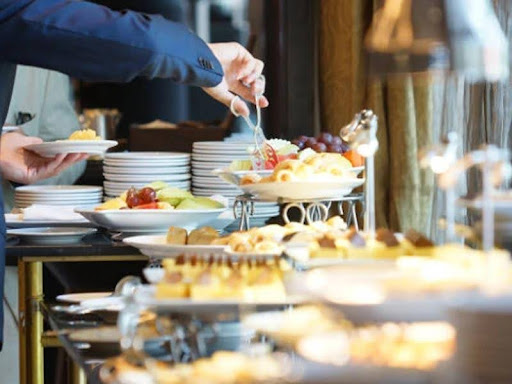
In the post-Covid retreat landscape, attention to detail matters. People are more intentional with their time. They expect their environments to reflect care and consideration. A private chef brings both. Through good food, calm energy, and thoughtful timing, they help teams feel grounded and valued.
Platforms like Yhangry have made this easier to access. They simplify the process from selection to booking to delivery. The result is not just convenience. It’s an experience that speaks to how companies want to work now. Together, focused, and with something worth remembering.









Comments