
 By
By 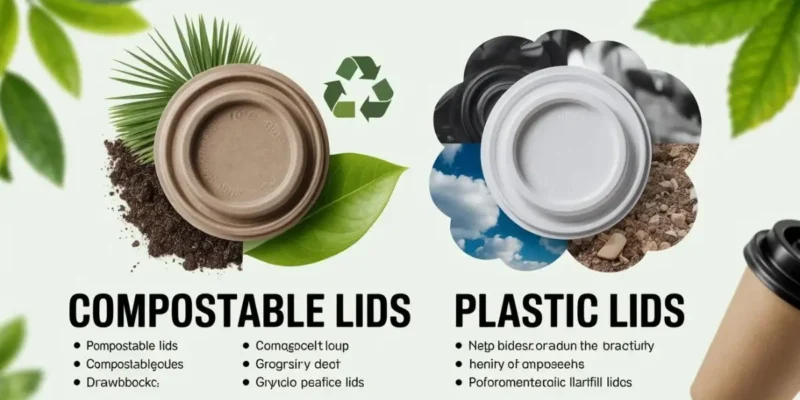
Compostable cup lids are becoming the preferred choice over plastic alternatives due to environmental, regulatory and reputational factors affecting foodservice operators and consumers alike. As awareness of packaging waste grows, the choice of lids has become as important as the choice of cups in reducing the overall environmental footprint of takeaway beverages.
Environmental impact
Conventional plastic lids are commonly made from polystyrene or polypropylene, the materials that persist in the environment for decades, contributing to landfill accumulation and marine pollution. In contrast, compostable lids are typically produced from plant-based materials such as bagasse, paper pulp, or biopolymers like PLA. They are designed to break down into organic matter under appropriate composting conditions. This enables them to be processed alongside food waste, thereby reducing the volume of material sent to landfill when appropriate waste streams are in place.
Regulatory pressure
In many jurisdictions, including the UK, restrictions on single-use plastics have steadily increased, with bans, levies and reporting requirements affecting the choice of foodservice packaging. Compostable lids help businesses comply with current regulations and reduce the risk of non-compliance in the future. Opting for non-plastic alternatives demonstrates a proactive approach to legislative trends, as opposed to reactive changes imposed under time pressure.
Consumer perception
Customers increasingly view plastic lids as unnecessary waste, especially when used with paper or compostable cups. Compostable lids support consistency across the entire packaging set, thereby reinforcing the credibility of sustainability claims. Mismatched materials, such as a paper cup with a plastic lid, can make environmental messaging appear diluted. Compostable lids facilitate clearer communication of environmental intent, strengthening brand trust and customer loyalty.
Efficient waste management
From an operational perspective, compostable lids simplify waste sorting in controlled environments such as offices, campuses and event venues. When cups, lids and food waste are all compostable, disposal becomes more intuitive for users and staff alike. This reduces contamination in recycling and composting streams, thereby improving the efficiency of overall waste management. In contrast, plastic lids often need to be separated from cups, a step that is often overlooked in busy settings.
Improved performance
Modern designs offer reliable heat resistance and a secure fit, providing drinking comfort that is comparable to that of plastic lids. Moulded fibre lids now offer smooth sip openings, structural rigidity and compatibility with standard cup sizes. These improvements address previous concerns about leakage or deformation, establishing compostable lids as a viable option for hot beverages in challenging service conditions.
Furthermore, compostable lids can support broader corporate sustainability strategies. Many organisations have set environmental targets relating to waste reduction, carbon footprint and responsible sourcing. Replacing plastic lids with compostable alternatives can measurably contribute to these goals and provide tangible evidence of progress. For businesses seeking to balance functionality with environmental responsibility, compostable cup lids are a practical and forward-looking choice for takeaway packaging.














Comments