
 By
By 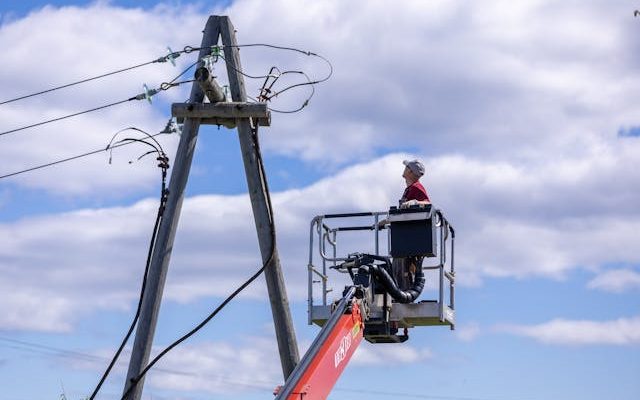
Transporting a cherry picker to a worksite might seem like a daunting task, especially if you’re unfamiliar with the machinery or the logistics involved. Whether you’re renting a cherry picker for a short-term project or using it for an extended period, ensuring safe and efficient transport is crucial for the success of your project. But how do you go about transporting a cherry picker to your worksite?
In this comprehensive guide, we will walk you through everything you need to know about cherry picker hire London, including how to prepare, what equipment you need, and essential safety precautions.
What is a Cherry Picker?
Before delving into the transportation process, let’s briefly clarify what a cherry picker is. A cherry picker, also known as an aerial work platform (AWP), is a type of equipment designed to elevate workers to high areas safely. It features a platform or bucket attached to a hydraulic lift, which can be raised and lowered to access heights such as rooftops, tall trees, windows, or signage.
These machines come in various types, including self-propelled, truck-mounted, and trailer-mounted cherry pickers. Depending on the type and model, the transportation requirements for a cherry picker can vary.
How to Transport a Cherry Picker to Your Worksite
Transporting a cherry picker requires careful planning to ensure both the equipment and people involved are safe. Here’s a step-by-step guide to help you understand the process:
1. Choose the Right Type of Cherry Picker for Your Job
The first step in transporting a cherry picker to your worksite is selecting the right type of machine for your project. There are different types of cherry pickers, and each has specific transportation needs:
- Self-Propelled Cherry Pickers: These models can drive themselves to the work site, making transportation easier. They’re ideal for job sites where the equipment needs to be moved frequently within the site. However, they may still need to be transported on a trailer or truck over long distances.
- Trailer-Mounted Cherry Pickers: As the name suggests, trailer-mounted cherry pickers are designed to be towed by a vehicle. These models are great for projects where access to the worksite is challenging, but the machine itself can easily be moved with a trailer.
- Truck-Mounted Cherry Pickers: These cherry pickers are mounted on a truck chassis and are often used for high-reach tasks. These machines are typically driven to the site like a regular truck but require special equipment for loading and unloading.
2. Ensure Proper Size and Weight Considerations
Once you’ve chosen the cherry picker model, it’s essential to take its size and weight into account. Larger, heavier cherry pickers will require stronger vehicles and more robust transport solutions. Many rental companies will provide the necessary specifications for transport, but it’s still important to confirm the following details:
- Dimensions: Measure the length, width, and height of the cherry picker to ensure it can be safely loaded onto a trailer or truck and manoeuvred through any narrow or tight spaces en route to the job site.
- Weight: Know the total weight of the cherry picker, including its accessories, to ensure the vehicle you plan to use for transport can handle the load.
For larger cherry pickers, a heavy-duty truck or flatbed trailer may be required. Smaller models can often be transported using standard vehicles.
3. Prepare the Necessary Equipment for Transport
When transporting a cherry picker, the right equipment is key to ensuring safety and efficiency. Depending on the type of machine, you may need one or more of the following:
- Truck or Flatbed Trailer: As mentioned earlier, flatbed trailers or trucks are commonly used to transport cherry pickers over long distances. Ensure the vehicle you use is capable of supporting the weight and size of the cherry picker.
- Ramp or Lift: If you’re transporting a cherry picker that’s not self-propelled, you’ll need a ramp or lift to load it onto the trailer or truck. It’s important to use a ramp designed to handle the weight of the cherry picker to avoid accidents during loading or unloading.
- Tie-Down Straps: Use heavy-duty tie-down straps to secure the cherry picker during transport. This prevents any shifting or tipping of the equipment while it’s being moved. Straps should be tightened properly, and you may need to use additional support to keep the cherry picker stable during transport.
- Escort Vehicle (for Oversized Loads): If the cherry picker is especially large or heavy, you might need an escort vehicle to guide the transport vehicle and ensure safe passage through public roads or busy areas. The escort vehicle can also help manage traffic and ensure there are no obstacles on the way.
4. Check Local Transport Regulations
Before you begin transporting a cherry picker, it’s essential to familiarise yourself with local laws and regulations. Each region or country may have specific rules regarding the transportation of large or heavy equipment. Some regulations you may need to consider include:
- Permits: If the cherry picker is considered an oversized load, you may need to apply for a special permit to transport it legally. The permits ensure that the necessary precautions are in place for transporting large machinery safely.
- Route Planning: Check for any road restrictions or bridges that may not support the weight of the cherry picker. Certain roads, especially in urban areas, may have weight limits or height clearances that could prevent the safe passage of large machinery.
- Traffic Laws: Ensure that the transport vehicle complies with all traffic laws, such as speed limits, use of hazard lights, and proper signage for oversized loads.
It’s always a good idea to work with an experienced transportation company or consult with your equipment rental provider to ensure compliance with regulations.
5. Loading and Unloading the Cherry Picker
Once you’ve prepared all the necessary equipment and have confirmed the appropriate route, the next step is loading and unloading the cherry picker. Here’s how to approach this part of the process:
- Loading: When loading the cherry picker onto the transport vehicle, use a ramp or lift to drive the machine onto the trailer. If the cherry picker is self-propelled, make sure it is driven slowly and steadily to avoid any damage to the equipment or surrounding area. If the machine is not self-propelled, a forklift or crane may be required to lift it onto the transport vehicle.
- Securing the Cherry Picker: Use tie-down straps to secure the cherry picker to the transport vehicle. Ensure that the straps are placed in the correct positions to prevent the equipment from shifting during transport. Consider placing blocks under the wheels of the cherry picker if necessary for added stability.
- Unloading: Upon arrival at the job site, carefully unload the cherry picker. Use a ramp or crane to lower it safely to the ground. Make sure that the area around the unloading zone is clear of obstructions and that there is adequate space to manoeuvre the cherry picker.
6. Safety Precautions During Transportation
Safety is paramount when transporting heavy equipment like a cherry picker. Here are some essential safety precautions to keep in mind:
- Use Personal Protective Equipment (PPE): Ensure that all workers involved in loading, unloading, or handling the cherry picker are wearing appropriate PPE, such as hard hats, gloves, and steel-toed boots.
- Clear the Work Area: Before loading or unloading, make sure that the work area is clear of bystanders, debris, or obstacles that could pose a safety risk.
- Check Equipment for Damage: Inspect the cherry picker before and after transport to check for any damage or malfunctions that may affect its operation. It’s important to catch any issues before you begin using the equipment on-site.
7. Returning the Cherry Picker
After the job is completed, you’ll need to return the cherry picker to the rental company or transport it back to the base. The process is generally the reverse of loading and unloading, so ensure the same care and attention are given during the return journey.
Conclusion
Transporting a cherry picker to your worksite involves careful planning, proper equipment, and adherence to safety and legal requirements. Whether you’re using a self-propelled, truck-mounted, or trailer-mounted cherry picker, it’s essential to choose the right machine for your job, ensure it’s safely loaded and secured, and follow all regulations for safe transport. By following the steps outlined in this guide, you can ensure that your cherry picker reaches your worksite safely and that your project runs smoothly from start to finish.
















Comments