
 By
By 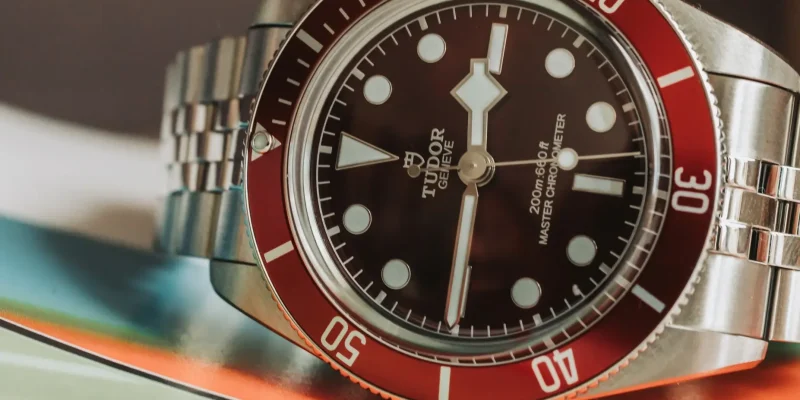
The traditional Swiss watch industry faces unprecedented challenges in the digital age. Smartwatches deliver notifications, health tracking, and computational power that mechanical timepieces cannot match. Yet two Swiss manufacturers have found compelling ways to bridge traditional craftsmanship with contemporary performance demands, creating tool watches that remain relevant in our connected world.
TUDOR and TAG Heuer represent distinct approaches to this challenge. Where TUDOR focuses on refined mechanical excellence with selective modern materials, TAG Heuer embraces hybrid technology whilst maintaining chronograph heritage. Both strategies demonstrate how traditional Swiss manufacturing can evolve without abandoning core values that made these brands legendary.
Understanding these approaches reveals broader trends in luxury manufacturing and consumer behaviour that extend far beyond watchmaking into technology adoption, brand loyalty, and the persistent appeal of physical craftsmanship in an increasingly digital world.
TUDOR’s Modern Renaissance: Traditional Craft, Contemporary Execution
TUDOR’s transformation over the past decade represents one of horology’s most impressive reinventions. Once positioned as Rolex’s affordable alternative, TUDOR has emerged as an independent force combining vintage-inspired aesthetics with cutting-edge manufacturing capabilities. This evolution demonstrates how heritage brands can modernise without sacrificing authenticity.
The introduction of in-house movements marked TUDOR’s transition from competent timekeeper to serious horological manufacturer. The MT5612 calibre, featuring silicon balance springs and 70-hour power reserves, delivers performance specifications that exceed many luxury competitors whilst maintaining TUDOR’s accessible positioning. This technical advancement proves that innovation need not compromise brand character.
TUDOR’s material innovations showcase thoughtful integration of modern technology with traditional design language. The titanium Pelagos incorporates a self-adjusting bracelet system that responds to temperature changes and physical activity, solving practical problems that have plagued dive watches for decades. This functionality emerges from genuine user needs rather than marketing-driven feature addition.
The brand’s approach to smartwatch competition focuses on enhancing mechanical advantages rather than mimicking digital capabilities. Extended power reserves reduce daily winding requirements, antimagnetic properties protect against electromagnetic interference from modern devices, and robust construction ensures reliability across diverse environments. These improvements address real-world challenges whilst preserving the tactile satisfaction of mechanical timekeeping.
TUDOR’s design philosophy emphasises versatility over specialisation, creating timepieces that transition seamlessly between professional and casual environments. The Black Bay 58 exemplifies this approach through its 39mm case diameter that accommodates various wrist sizes whilst maintaining substantial presence. This dimensional consideration reflects understanding of contemporary lifestyle demands where single timepieces must serve multiple functions.
The brand’s heritage military connections provide an authentic foundation for modern tool watch development. Rather than simply reproducing vintage designs, TUDOR extracts functional principles from historical pieces and applies contemporary manufacturing standards. This approach creates timepieces that honour tradition whilst exceeding historical performance benchmarks.
TAG Heuer’s Connected Strategy: Bridging Mechanical and Digital
TAG Heuer’s response to smartwatch disruption demonstrates bold strategic thinking that many traditional manufacturers have avoided. The Connected series represents genuine innovation rather than defensive reaction, creating hybrid timepieces that combine Swiss craftsmanship with Android Wear functionality. This approach acknowledges digital capabilities whilst maintaining mechanical heritage.
The modular Connected system allows users to switch between smartwatch and mechanical configurations, addressing the fundamental tension between digital convenience and traditional craftsmanship. This flexibility recognises that different situations require different capabilities, providing options rather than forcing compromises. The approach demonstrates sophisticated understanding of contemporary consumer behaviour.
TAG Heuer’s chronograph heritage provides a natural foundation for digital timing applications. The brand’s Formula 1 timing expertise translates effectively to fitness tracking, lap timing, and performance measurement applications. This continuity maintains brand relevance whilst expanding capabilities beyond traditional chronograph functions.
The Connected series incorporates premium materials and Swiss assembly standards that distinguish it from purely technological competitors. Titanium cases, ceramic bezels, and sapphire crystals ensure build quality that matches traditional luxury timepieces. This commitment to physical excellence prevents the smartwatch from feeling like a technology accessory rather than a proper timepiece.
TAG Heuer’s partnerships with technology companies demonstrate a pragmatic approach to innovation. Rather than attempting independent software development, the brand collaborates with established technology partners whilst maintaining control over design and manufacturing standards. This strategy leverages expertise efficiently whilst preserving brand identity.
The upgrade programme for Connected owners reflects long-term relationship building rather than planned obsolescence strategies common in technology industries. This approach acknowledges that luxury timepiece ownership involves emotional attachment that transcends functional specifications, maintaining customer loyalty through technological transitions.
Manufacturing Excellence in the Digital Age
Both TUDOR and TAG Heuer invest heavily in manufacturing capabilities that enhance traditional Swiss production methods. Computer-controlled machining, advanced metallurgy, and precision testing equipment improve quality consistency whilst preserving handcraft elements that define luxury timepieces. This hybrid approach maximises both efficiency and craftsmanship standards.
TUDOR’s manufacturing integration with Rolex provides access to advanced production techniques and quality control systems whilst maintaining independent brand identity. This relationship demonstrates how shared resources can enhance rather than compromise brand distinctiveness when managed thoughtfully.
TAG Heuer’s vertical integration includes movement development, case production, and assembly operations that ensure quality control throughout the manufacturing process. This comprehensive approach allows rapid innovation cycles whilst maintaining Swiss production standards that distinguish luxury timepieces from mass-market alternatives.
Both brands employ advanced testing protocols that exceed industry standards, including magnetic resistance testing, shock resistance evaluation, and long-term reliability assessment. These quality assurance measures address real-world challenges that modern tool watch users encounter whilst ensuring traditional reliability expectations are met or exceeded.
Design Philosophy for Contemporary Users
TUDOR’s design language emphasises clarity and functionality over decorative elements, creating timepieces that perform effectively across diverse lighting conditions and usage scenarios. The brand’s attention to legibility reflects understanding that modern tool watches must function reliably in various environments without requiring conscious effort from users.
TAG Heuer’s aesthetic approach balances sporting heritage with contemporary sophistication, creating timepieces that communicate performance capability without appearing overly technical or masculine. This design strategy broadens appeal beyond traditional sports watch enthusiasts whilst maintaining authentic motorsport connections.
Both brands demonstrate restraint in complication implementation, focusing on features that enhance daily usability rather than technical showmanship. This approach recognises that contemporary users prefer reliable functionality over complex features that require regular attention or maintenance.
The sizing considerations of both manufacturers reflect changing preferences toward more proportionate timepieces that accommodate diverse wrist sizes and style preferences. This evolution demonstrates responsiveness to market feedback whilst maintaining the substantial presence that tool watches require for professional credibility.
Investment Considerations and Market Performance
TUDOR’s recent appreciation in collector markets reflects growing recognition of the brand’s independent achievements and manufacturing capabilities. Vintage TUDOR pieces with documented provenance command increasing premiums, whilst contemporary models featuring in-house movements show strong retention characteristics that suggest sound investment potential.
TAG Heuer’s market positioning balances accessibility with luxury credentials, creating timepieces that serve as entry points to Swiss luxury whilst offering upgrade paths for developing collectors. This strategy builds long-term brand relationships that can evolve with customer sophistication and financial capabilities.
Both brands benefit from broader trends toward value-oriented luxury that prioritise substance over pure status signalling. This shift reflects changing consumer attitudes that favour authentic craftsmanship and practical functionality over traditional prestige hierarchies.
The secondary market performance of both manufacturers demonstrates stable demand that supports long-term ownership confidence. This stability provides psychological benefits that enhance ownership satisfaction whilst protecting financial investments for collectors who may eventually upgrade or diversify their collections.
Building Modern Tool Watch Collections
Contemporary tool watch selection requires balancing traditional craftsmanship with modern performance requirements and lifestyle considerations. Both TUDOR and TAG Heuer offer compelling propositions that address different aspects of this challenge whilst maintaining authentic Swiss heritage.
For collectors seeking timepieces that embody traditional tool watch principles enhanced by contemporary manufacturing excellence, both brands provide options that deliver exceptional value and performance. The choice between them often reflects personal preferences regarding design aesthetics, brand heritage, and specific functional requirements.
The expertise available through specialists like MVS Watches helps collectors navigate these considerations whilst discovering pieces that align with individual collecting goals and practical requirements. Whether seeking TUDOR’s refined mechanical excellence or TAG Heuer’s innovative hybrid approaches, the right timepiece enhances daily experiences whilst providing long-term satisfaction.
The evolution of Swiss tool watches demonstrates that traditional craftsmanship and modern innovation can coexist successfully when approached with authenticity and respect for heritage values. Both TUDOR and TAG Heuer prove that Swiss manufacturing excellence remains relevant in our digital age, creating timepieces that serve contemporary needs whilst honoring the traditions that made Swiss watches legendary.
Through thoughtful innovation and unwavering commitment to quality, these manufacturers ensure that mechanical timepieces continue serving tool watch functions effectively whilst providing the emotional satisfaction and physical presence that digital alternatives cannot replicate. In our increasingly connected world, this combination of traditional craft and modern performance becomes ever more valuable.
















Comments