
 By
By 
The used car market offers thousands upon thousands of vehicles, many of which can be secured at bargain prices. However, getting the best from the used market often requires a little nous. To avoid being saddled with an expensive liability, it’s worth thoroughly examining any potential purchase – and bearing in mind some key indicators that might help you distinguish a reliable car from an unreliable one.
Researching the Market
Before considering your options, it’s worth narrowing them. Decide how much you want to spend, and what features you’ll need. Once you’ve done this, you might have a shortlist of used cars to consider. Once you have this, you can consider each would-be purchase, and see which is the most reliable, and which holds its value dependably. You might do this using consumer surveys of reliability, like the one held annually by What Car. You can also ask local mechanics, who might have an idea of which models are the most expensive to keep on the road.
Inspecting the Vehicle’s History
Having identified a particular vehicle, you might consult its history. This might involve going through MOT certificates and service records, and running through the vehicle’s history of accidents. You might also perform a Hire Purchase Investigation, or HPI. This will provide a comprehensive overview of the vehicle’s mileage, MOT status, ownership and crash history – among other things. The detail offered by an HPI can vary, and you can expect to pay anywhere from £2 to more than £20. If it helps you avoid additional costs, the outlay can be worthwhile.
Evaluating the Car’s Condition
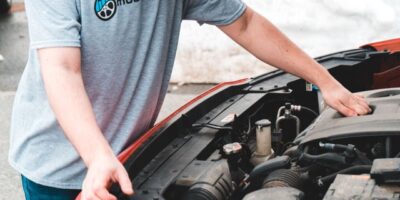
Before agreeing to the purchase, you should inspect the car in person. Look at the exterior and interior for signs of misuse. Even minor damage might indicate a pattern of neglect. If possible, inspect the engine itself, or have a mechanic do so on your behalf. Make sure that you test drive the car, while paying special attention to any troubling smells or sounds coming from the engine. If the car doesn’t feel right, then it’s probably a good sign that you should walk away from the deal.
Working with Trusted Sellers
If you buy the vehicle directly from the previous owner, you’ll be able to minimise the cost. But you’ll also be exposed to additional risk. On the other hand, buying from an approved used dealership will provide additional peace of mind and protection. Ideally, you’ll want to buy from a dealer with a good reputation. Even if the car doesn’t come with a warranty, your purchase might be protected by the Consumer Rights Act, provided that you raise any problems early enough.













Comments