
 By
By 
The excitement of buying your first car quickly meets the reality of unexpected expenses. Whilst you’ve budgeted for the purchase price, costs like insurance, maintenance, fuel, MOTs, and parking fees add up faster than most new drivers anticipate. Planning ahead reduces stress and prevents overspending, making sure that your car ownership remains affordable instead of becoming a financial burden. Consider this common scenario: you buy a reliable used hatchback for £3,000, only to discover that running costs, such as insurance, fuel, and servicing, add another £200-300 monthly to your budget if you haven’t planned properly.
Budget for All Costs, Not Just the Car
The purchase price is only the beginning of car ownership expenses. Insurance premiums, particularly for young or new drivers, can cost thousands annually. Fuel consumption varies between vehicles, with inefficient models potentially costing £150+ monthly for typical usage. Annual MOT tests (required for cars over three years old) cost around £55, whilst servicing ranges from £100 to £300 depending on the garage and work required. Parking permits, road tax, and potential congestion charges in urban areas add further costs. According to MoneyHelper, calculating total monthly expenditure before purchasing helps avoid unpleasant financial surprises. Track every cost for a few months to understand your true spending and adjust your budget accordingly.
Insurance Considerations
Insurance is one of the largest ongoing expenses for new drivers, with young driver premiums notoriously high due to statistical accident risks. For those still learning, learner driver insurance for your own car offers flexibility and potential cost savings compared to being added as a named driver on parents’ policies. This allows you to build up a no-claims discount from the start whilst gaining essential experience. The Guardian reported in 2025 that young drivers can reduce insurance costs through tactics like choosing cars in lower insurance groups, adding experienced drivers as named drivers, and paying annually instead of monthly. For example, sharing a family car for lessons whilst maintaining separate learner insurance keeps premiums manageable without sacrificing practice time.
Smart Shopping and Maintenance
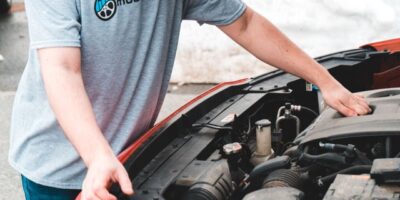
Buying reliable cars with good fuel efficiency and affordable spare parts prevents ongoing financial strain. Popular models like Ford Fiestas, Vauxhall Corsas, or Toyota Yaris offer readily available parts and reasonable servicing costs. Always check service history thoroughly because a well-maintained older car proves more economical than a newer vehicle with patchy maintenance records. Regular servicing prevents expensive issues from developing; timely oil changes, tyre checks, and brake inspections catch problems early when repairs cost less than major failures.
Planning for Unexpected Expenses
Even well-maintained cars experience unexpected issues, such as exhaust failures, battery replacements, or punctured tyres, which rarely arrive at convenient times financially. Setting aside a small emergency fund specifically for car expenses avoids panic when problems arise. According to Royal London, emergency funds provide essential financial resilience. Budget £20-30 monthly into a car contingency fund; within a year, you’ll have £240-360 available for repairs without disrupting other financial commitments.
First-time car ownership brings freedom and convenience, but financial planning guarantees these benefits don’t come at the cost of constant money worries or unexpected debt.















Comments