
 By
By 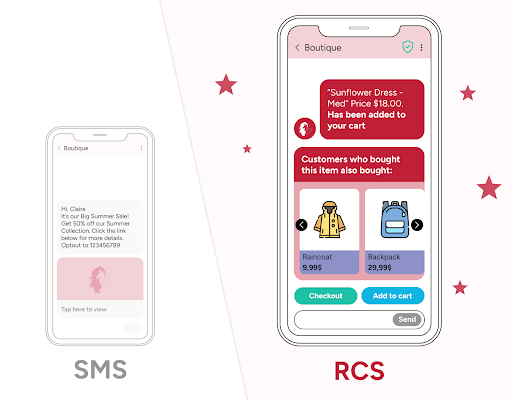
In today’s fast-evolving business environment, understanding and improving the customer journey is essential for creating lasting relationships, enhancing user experience, and driving conversions. Businesses across various industries are leveraging automation for marketing to deliver tailored experiences at each stage of the customer journey.
One of the key aspects of optimising this journey is customer journey mapping, which helps businesses visualise, analyse, and improve their interactions with customers.
Moreover, with the advent of modern communication tools like RCS messages (Rich Communication Services), businesses can create a more dynamic, interactive, and engaging experience for their customers.
This article will explore how marketing automation enhances customer journey mapping, the role of RCS messages, and why integrating these elements is vital for your business.
What is Customer Journey Mapping?
Customer journey mapping is the process of visualising the steps a customer takes when interacting with your business, from the initial contact to post-purchase and beyond. It involves understanding the various touchpoints along the way, such as website visits, email communications, social media interactions, purchases, and customer service queries.
Creating a customer journey map allows businesses to:
- Identify pain points and areas for improvement.
- Understand customer behaviour and preferences.
- Optimise marketing strategies to meet customer needs.
- Deliver personalised and timely communication across various channels.
A detailed customer journey map gives businesses a clear understanding of how customers interact with their brand, allowing them to make data-driven decisions that enhance the customer experience.
The Role of Marketing Automation in Enhancing Customer Journey Mapping
Marketing automation refers to the use of technology to automate repetitive marketing tasks, such as sending emails, managing social media posts, handling customer inquiries, and nurturing leads. It plays a significant role in enhancing customer journey mapping by ensuring that businesses can engage with customers at every stage of their journey in a personalised and efficient manner.
1. Personalised Customer Interactions
With automation for marketing, businesses can deliver highly personalised messages based on customer data and behaviour. For example, if a customer has shown interest in a particular product or service but hasn’t made a purchase, automation tools can trigger an email or RCS message offering a discount or more information about that product.
By automating these touchpoints, businesses can ensure that their messaging is timely and relevant, guiding customers through the journey seamlessly.
2. Data-Driven Insights
Marketing automation tools allow businesses to collect and analyse large amounts of customer data. This data includes information about customer behaviour, such as website visits, click-through rates, email opens, and social media engagement.
By integrating this data into customer journey maps, businesses can gain deeper insights into customer preferences, pain points, and interactions.
For example, if a customer drops off during the checkout process, businesses can use this data to create targeted campaigns that address concerns such as shipping costs, product recommendations, or customer reviews.
3. Optimising Communication Across Channels
Customers interact with businesses across various channels, including email, social media, mobile apps, and websites. Marketing automation enables businesses to create a consistent and cohesive message across all these platforms.
Automation tools allow businesses to seamlessly transition from one touchpoint to the next, ensuring customers receive consistent, relevant communication at each stage.
For example, a customer who receives an automated welcome email can later receive a follow-up RCS message offering product recommendations based on their browsing history. This creates a more unified and engaging experience, helping to drive conversions and improve customer satisfaction.
4. Real-Time Engagement
Marketing automation also allows businesses to engage customers in real time. For example, businesses can automate RCS messages to provide customers with instant updates about their order status, special promotions, or upcoming events.
Real-time communication helps businesses stay top of mind, creating a sense of urgency and increasing the likelihood of customer action.
Real-time engagement can also enhance customer service, as automated responses can quickly address common customer queries, reducing wait times and improving the overall customer experience.
The Impact of RCS Messages on Customer Journey Mapping
While RCS messages have been around for a few years, they are still an emerging communication channel that businesses are just beginning to leverage. RCS (Rich Communication Services) messages are more interactive and feature-rich than traditional SMS, allowing businesses to deliver dynamic content such as images, videos, carousels, quick reply buttons, and more.
Incorporating RCS messages into your customer journey mapping strategy offers several advantages:
1. Enhanced Interactivity
RCS messages provide businesses with the opportunity to create highly engaging, interactive content within the messaging interface. Unlike SMS, which is limited to simple text, RCS messages can include buttons that allow customers to take action directly within the message. For example, a customer receiving a promotion can click a button to redeem the offer or add items to their cart without leaving the message interface.
Interactive features in RCS messages also allow businesses to collect feedback, conduct surveys, and promote real-time engagement, all of which enhance the customer journey and create a more personalised experience.
2. Visual Appeal
RCS messages can contain rich multimedia elements, such as images, videos, and branded content. This allows businesses to deliver more visually appealing messages that capture customers’ attention and improve the overall experience.
Whether it’s showcasing a product, demonstrating a service, or sharing a brand story, RCS messages make it easier to communicate visually with customers.
For example, a customer who is exploring a new product may receive an RCS message with a detailed product image, a video tutorial, and a link to purchase, all in a single message. This visually engaging approach increases the likelihood of customer interaction and conversion.
3. Seamless Transactional Messaging
One of the key advantages of RCS messages is their ability to facilitate seamless transactional communication. For example, a customer who has made a purchase can receive an RCS message with their order details, shipping information, and a button to track the status of their order.
This helps customers stay informed and engaged, improving their overall experience with your brand.
Businesses can also use RCS messages to send appointment reminders, event updates, and more, all in a way that feels interactive and engaging.
4. Personalisation at Scale
Just like email marketing automation, RCS messages allow businesses to send personalised messages at scale. With customer data and insights gathered through automation tools, businesses can craft personalised RCS messages based on each customer’s preferences, purchase history, and browsing activity.
For example, an automated RCS message can be sent to a customer offering a discount on a product they’ve previously viewed but not yet purchased. This kind of personalised communication can boost engagement and help businesses drive conversions.
Integrating Marketing Automation and RCS Messages into Customer Journey Mapping
To fully leverage the power of marketing automation and RCS messages, businesses must integrate both elements into their customer journey mapping strategy. Below are a few steps businesses can take to ensure this integration:
1. Segment Your Audience
Effective customer journey mapping begins with segmentation. Understanding your customer’s behaviours, preferences, and pain points will help you craft tailored messages for each stage of the journey. Using automation tools, businesses can segment customers based on factors such as demographics, purchase history, and engagement level.
2. Create Dynamic Automated Workflows
Once the audience is segmented, businesses can create automated workflows that include RCS messages at relevant touchpoints. For example, an automated workflow can be triggered when a customer adds items to their cart but doesn’t complete the purchase. The workflow could then send a personalised RCS message offering a discount or more product information.
3. Track and Analyse Customer Interactions
Marketing automation platforms offer detailed analytics that allows businesses to track how customers interact with their messages. By monitoring open rates, click-through rates, and engagement levels, businesses can refine their RCS messaging strategies and optimise their customer journey maps for better results.
4. Test and Optimise Your Messaging
Finally, it’s important to test and optimise the messaging at each stage of the customer journey. A/B testing different versions of RCS messages can help businesses understand what resonates best with their audience, allowing for continuous improvement and maximised impact.
Automation for marketing and RCS messages are game-changers in the world of customer journey mapping. By integrating these tools into your marketing strategy, you can create a more engaging, personalised, and efficient customer journey that drives conversions and enhances customer loyalty.
Whether you’re automating product recommendations, sending transactional messages, or engaging customers in real time, marketing automation and RCS messages enable businesses to deliver exceptional customer experiences that are both seamless and interactive.
As customer expectations continue to rise, businesses that embrace automation and RCS messaging will be well-positioned to build stronger relationships, increase customer satisfaction, and drive long-term success.
















Comments