
 By
By 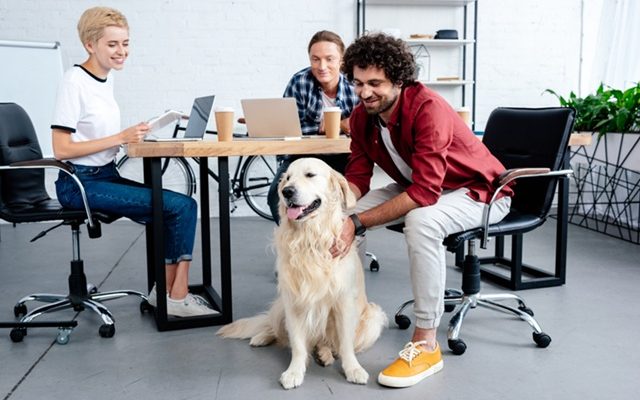
If you were to walk into some offices today, you stand a good chance of being greeted not just by a receptionist, professional partners or coworkers, but by a wagging tail or a purr from under a desk. Pet-friendly offices are a growing trend, and it’s one that’s expanding beyond the realms of oddball creative startups or an on-trend social media moment. More and more organisations are realising that allowing pets in the workplace not only has benefits for employees but can generate positive outcomes for the business.
Pets Can Help Lower Stress and Boost Morale

One of the biggest advantages of having pets at work is the positive impact on mental health. Offices can be high-pressure environments, especially during deadlines or busy seasons. Having a dog to pet or a cat to cuddle can help employees feel more relaxed and reduce anxiety. Multiple studies show that interacting with animals can lower cortisol levels, which is the hormone linked to stress. A calmer work environment often leads to better focus and improved emotional well-being.
Pets also help lift the overall mood of the office. Even people who don’t have their own pets enjoy the presence of animals around them. It’s hard not to smile when a playful puppy wanders over for some attention. This light-hearted energy can make the workplace feel more welcoming and less rigid, which helps people feel more comfortable and engaged in their jobs.
Encouraging Social Interaction and Connection
Pet-friendly workplaces also create more opportunities for casual interaction between coworkers. If someone’s walking their dog around the office or tossing a ball during a break, it naturally invites conversations. These small moments of connection help build stronger relationships between team members. It’s easier to collaborate and communicate when people feel like they know each other beyond just work responsibilities.
In large offices where people might not know coworkers from different departments, pets can be a great icebreaker. A quick chat about someone’s dog or asking about a pet’s name can spark connections that otherwise might not happen. Stronger social ties lead to better teamwork and a more supportive work culture overall.
Improved Work-Life Balance
Many pet owners struggle with leaving their pets at home all day, especially those who work long hours. Being able to bring their pet to work eases that guilt and makes it easier for employees to manage their time. It means fewer worries about rushing home to walk the dog or finding a sitter. That peace of mind lets people focus better on their tasks during the day.
Having pets in the office also encourages more breaks, like stepping outside for a short walk or just taking a moment to play. These breaks might seem small, but they help refresh the mind and keep people from burning out. Over time, this balance between work and personal needs helps with retention and keeps employees from getting overly stressed.
Offering Pet Treats Can Keep Things Calm
Of course, having animals in the office means thinking about their needs too. One simple but effective idea is offering treats for pets throughout the day. Whether it’s a crunchy snack or something chewy to keep them busy, treats can help keep furry coworkers happy and calm. It also creates a more structured experience for the pets, so they know when it’s time to relax instead of constantly wandering around looking for attention.
Some companies go a step further and set up designated pet-friendly zones or even bring in local pet businesses to offer services like grooming or training. But even something as simple as a shared treat jar can make a big difference in making the office more pet-friendly without causing distractions.
Attracting and Keeping Talent
Offering a pet-friendly workplace is also a big draw for younger workers, especially millennials and Gen Z. For many of them, pets are part of the family, and having policies that welcome animals shows that a company values personal well-being. It’s a great way to stand out in competitive job markets, where benefits beyond salary can be a deciding factor.
Once employees are in the door, perks like this also help keep them around. A happy work environment means people are more likely to stay loyal and engaged. It becomes part of the company culture, and it sends a clear message that leadership cares about making the workplace enjoyable.
Looking Ahead
It’s not the right fit for every business, especially those with strict safety rules or where allergies are a concern. But for offices that can make it work, the shift toward pet-friendly policies has a lot of potential. It’s more than just a fun trend. It’s a thoughtful way to support mental health, improve workplace culture, and keep employees feeling connected and valued.
The rise of pets in the office isn’t just about convenience for pet owners. It’s about building a better workplace for everyone. When people feel more at ease and cared for, they do better work. And when that comes with a wagging tail or a friendly bark, it’s a win for both humans and animals.










Comments