
 By
By 
Exercise is a vital part of our health, both physically and emotionally. It can help our bodies to function properly and release endorphins to boost our mood. And this is no different for your four-legged friend. In fact, physical activity is even more important for your pooch because it’s one of the major factors that keeps them healthy, mentally stimulated and emotionally balanced.
However, it can be easy for owners to overlook whether their dogs are getting the right amount of movement that they need. Life can get busy with little free time, so it’s only natural for you to want to make the most out of your free time. This may lead you to only exercising your dog once a day, or even a couple of days, but is this fulfilling their exercise needs?
The amount of exercise your dog needs depends on several factors, such as the size and breed of the dog. Because of this, it can be difficult to understand how much physical activity is enough. To help you understand if your furry friend gets enough exercise every day, this guide outlines signs to spot when your dog isn’t getting enough exercise.
Why Exercise Matters for Dogs
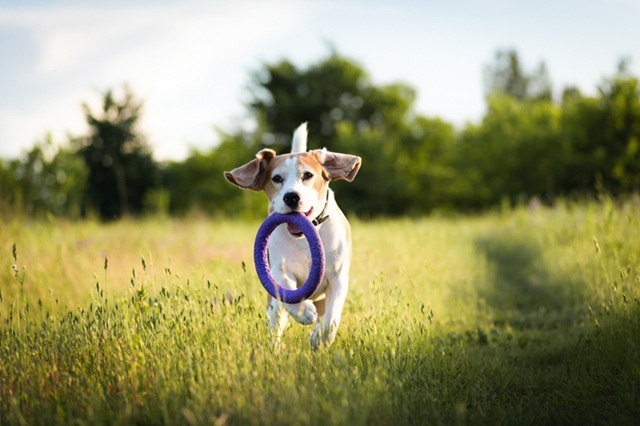
Exercise plays a vital role in your dog’s overall wellbeing. It is crucial to meet their physical activity needs to keep your pooch in shape and thriving. Without regular exercise, your dog can face a variety of health problems and will become unhappy. Ensuring they get the activity they need will help to:
- Prevent obesity
- Maintain strong muscles and joints
- Promote cardiovascular health
- Improve behaviour and reduce anxiety
- Boost their mental sharpness.
Exercise is really the key to your dog leading a happy and healthy life that fulfils their needs. Your four-legged friend relies on you to ensure they get enough physical activity. If they don’t, they can easily get bored and become frustrated. This leads to destructive behaviour like chewing, barking excessively and pacing because they’re not stimulated.
How Much Exercise Does Your Dog Need?
The amount of exercise your dog needs depends on several factors, such as breed, health and size. It can be difficult to understand how much exercise your furry friend needs, but there are simple guidelines to follow and considerations when it comes to the amount of exercise they need.
Firstly, you need to factor in the kind of breed your dog is. This can go hand in hand with the size because there are smaller and larger breeds of dogs. However, this isn’t always the case, so it’s important to just focus on breed first. High-energy dogs will need a lot more exercise every day than lower-energy dogs. For example, Border Collies, Labradors and Springer Spaniels are bundles of energy and need to let off steam every day. It is typically best to walk them for an hour or more every day. Lower-energy dogs, like Pugs, Bulldogs or Basset Hounds, won’t need as much walking. You should aim for around 30 minutes of daily walking for these breeds.
You should also factor in the age of your dog. Puppies and young adult dogs are more energetic and want to play often. Because they are young, they have pent-up energy and need to release it. They are still growing at younger ages too, so it’s essential to stretch their legs and build their muscles- just like babies. Older dogs will have reduced energy and prefer a slower pace in life. However, they can still benefit from short walks daily for consistency and to keep their muscles and body working.
Health and size should also be considered. If you have a larger dog, they will need much more exercise every day, but if you have a smaller dog, they can have shorter walks daily. On top of this, their health condition can determine how much exercise they need. If they suffer from health conditions or are recovering from surgery, exercise may be restricted and less active than other dogs, no matter their breed and size.
Due to having many factors to consider, it is best to consult your local vet to determine your furry friend’s needs accurately. Your vet can help you make an action plan for exercise so you can fulfil your dog’s needs.
General Guidelines:
- Small breeds: 30–60 minutes daily
- Medium to large breeds: 1–2 hours daily
- Working/sporting breeds: 2+ hours daily
Signs Your Dog May Need More Exercise
Not sure if your dog is getting enough physical activity? There are a few telltale signs to spot when your dog isn’t getting enough exercise. Your furry friend will communicate their need for movement to you, but it can sometimes be less obvious and go missed. Signs can be:
- Restlessness during the night: If your dog’s active needs aren’t being met, they will struggle to settle during the night. They can pace, whine or struggle to get comfortable.
- Frequent barking or whining: If your furry friend barks at every little thing, it could be because they are frustrated or bored. Exercise eliminates this as it tires them out.
- Destructive behaviour: If you notice your dog chewing on furniture, shoes or anything else, they’re showing you they’re bored and restless.
- Gaining weight or appearing lethargic: Just like us, dogs can quickly put on pounds when they’re inactive. If you notice your dog’s waistline is expanding, they’re carrying weight or they don’t have the energy to do anything, this is a visual sign they need more exercise.
- Increased Anxiety: Exercise not only helps your dog’s physical health, but it also helps their mental health too. If they appear anxious, nervous or easily stressed, this is a sign they’re not getting enough exercise.
If any of these behaviours sound familiar, it might be time to rethink your dog’s routine.
Simple Ways to Increase Your Dog’s Activity
Extend Your Walks
Extending your walks is a small yet simple change to your furry friend’s routine. Just adding an extra 10–15 minutes per walk can make a big difference over the course of a week.
Try Interactive Toys
Puzzle toys or treat-dispensing balls are great for mental stimulation, especially when outdoor time is limited. These help to burn excess energy and keep your dog entertained.
Schedule Play Sessions
Regular playtime in the garden or living room, like tug, fetch, or hide-and-seek, can offer meaningful movement. Get your canine companion a variety of toys that interest them and look attractive for them to play with by themselves. You can also entice them to play by getting involved yourself. Throw a ball or tug a rope with your dog to ensure their active needs are met.
Fuel Their Energy with the Right Diet
Just like humans need the right fuel to support an active lifestyle, so do dogs. If your dog is particularly energetic or has a physically demanding routine, a nutrient-rich diet can support their performance and recovery. For example, choosing nutrient-rich beef dog food is ideal because it helps to support energy through quality ingredients, keeping them healthy and energised.
Exercise isn’t just a bonus for dogs; it’s a necessity. It affects everything from their weight and joints to their behaviour and happiness. By keeping an eye on your dog’s activity levels and adjusting their routine to suit their needs, you’re giving them the best chance at a long, healthy and happy life.









Comments