
 By
By 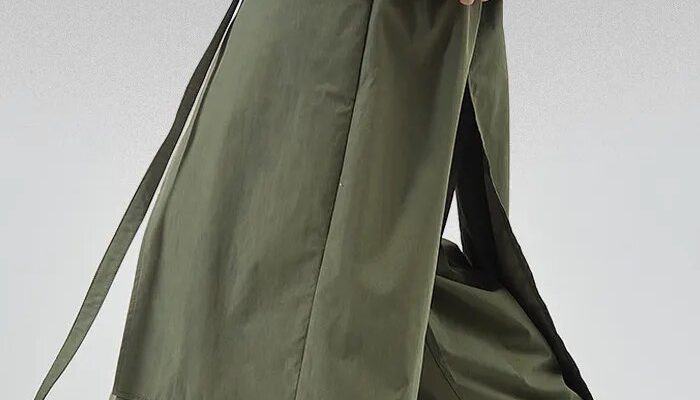
Hakama pants beautifully embody the intersection of tradition and modernity in Japanese fashion. Their evolution reflects both the deep cultural heritage of Japan and the dynamic shifts in society and style.
As mentioned earlier, hakama have deep historical roots, dating back to the Heian period. Originally worn by the samurai and nobility, they were a symbol of social rank and martial prowess. The pleats and design of the hakama represented virtues like loyalty, honor, and wisdom, characteristics deeply tied to Japan’s feudal era.
Traditionally, hakama were worn during important cultural and religious ceremonies, such as weddings, New Year celebrations, and coming-of-age rituals. In these contexts, they signified respect for tradition and an acknowledgment of cultural and familial ties. Let’s explore how hakama pants weave together the past and present in the context of fashion!
Transition into Modern Fashion – Hakama Pants
With the modernization of Japan during the Meiji period and the post-war era, hakama were reinterpreted in new ways. Women’s hakama, in particular, became associated with education, particularly in academic graduations and other milestones. They symbolized intellectual achievement and respect for tradition, and over time, women’s hakama have become iconic of Japan’s evolving gender roles and the educational landscape.
Today, hakama are not part of everyday fashion but still appear in modern cultural contexts. They are commonly worn for formal ceremonies like weddings, as well as in martial arts uniforms like kendo or aikido. In these settings, hakama still retain their traditional cultural significance but are re-imagined for contemporary needs and occasions.
Hakama in Modern Fashion and Streetwear
Fusion of Old and New:
In recent years, hakama have also found their place in contemporary Japanese fashion, with designers reworking them to reflect a blend of traditional and modern sensibilities. High-end designers and streetwear brands have incorporated elements of hakama into their collections, combining their historical cut with modern fabrics, colors, and silhouettes. This fusion has made hakama an important symbol in Japan’s fashion scene, representing a blend of the past and the present.
Street Style:
In Japan’s vibrant street fashion culture, hakama pants have been adapted into casual, everyday wear. For example, designers and fashion-forward individuals have experimented with lighter, more comfortable fabrics and altered the traditionally voluminous shape to create trendy, contemporary outfits. The wide-legged style has been paired with modern pieces like oversized shirts, t-shirts, and sneakers, creating a fresh take on the garment that keeps the traditional silhouette alive while incorporating current fashion trends.
Hakama and Gender Expression
In recent times, hakama are increasingly worn by people of all genders, transcending their historical gender associations. Women, for example, wear hakama for formal occasions like weddings or festivals, and they are even being seen in more avant-garde or non-binary fashion expressions. This openness to gender-neutral fashion aligns with global movements toward inclusivity and equality, allowing hakama to represent a broader spectrum of identities.
Fashion designers and influencers are also reclaiming traditional garments like hakama to challenge the restrictive gender roles often embedded in them. The blending of contemporary and traditional aesthetics allows the wearer to reinterpret cultural identity on their own terms.
Hakama in Pop Culture and Global Influence
Global Appeal:
As Japanese culture, especially through anime, film, and music, gains influence worldwide, hakama have started to appear in global fashion scenes. Designers from around the world have looked to Japan’s traditional garments for inspiration, and the hakama has made its way into high-fashion collections, blending seamlessly with global trends.
Cultural Statement:
In the realm of pop culture, hakama are often used to express a connection to heritage or a statement of authenticity. For example, the garments can appear in historical dramas, cosplay events, or as part of a performer’s costume, tying the modern world back to traditional values and practices.
Cultural and Fashion Legacy in Hakama Pants
In an age where many fashion trends focus on fast fashion and disposable clothing, hakama represent a sustainable approach to clothing, emphasizing longevity and craftsmanship. Traditional hakama were made with skillful weaving techniques and passed down through generations, encouraging respect for the artisans who craft them. Today, there is a renewed interest in preserving the skills involved in making traditional garments and incorporating those values into modern fashion.
Hakama in Contemporary Art and Performance
Theatrical and Dance:
In modern performance arts like contemporary dance, theater, and even pop performances, hakama have become a key element in expressing movement, grace, and tradition. The fluidity of the fabric and the garment’s wide silhouette allows for a broad range of movement, making it a popular choice for performers who want to evoke a sense of history while still embracing modern artistic expression.
Symbolism in Art:
Artists use hakama as a symbol to explore themes of cultural preservation, change, and the blending of past and present. Whether in fine art, photography, or film, hakama can represent a cultural dialogue between tradition and the evolving future.
In Conclusion
Hakama pants are a powerful symbol of Japan’s ability to weave tradition and modernity into a seamless narrative. Their historical significance, cultural symbolism, and contemporary adaptation reflect how traditional garments can evolve while still retaining their deep-rooted meaning. Whether through high fashion, street style, or performance art, hakama continues to serve as a bridge between Japan’s past and its dynamic present, offering an enduring statement on cultural identity and innovation.















Comments