
 By
By 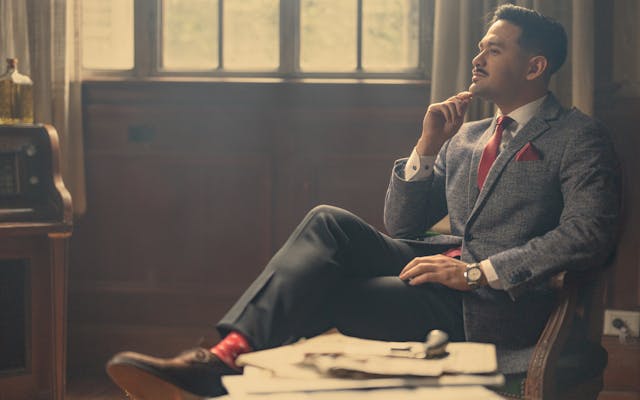
Your outfit feels most like *you* when you can actually wear it to work, a dinner, or a walk. So do a quick reality check first: does it look stylish without having to scream “Peaky”? That way the attention stays on you, and your look feels natural instead of themed.
If you’re taking inspiration from Shelby Brothers, use that style as a guide for the overall picture: clean lines, clear materials, and not too many attention-grabbing details at once. One recognizable element sets the tone; keep the rest calm and modern. That way it still works when you move, sit, and walk.
Pick one style anchor and build around it
One style anchor makes your outfit feel cohesive right away. Think of it like a filter: not everything has to be “on” at the same time. A flat cap, three-piece suit, suspenders, chain, heavy coat, and sturdy boots can all work—but give one item the lead role. Then the rest automatically supports it, and it feels like one complete look.
What usually works best: one statement piece for the mood, and simple choices around it. Think a tweed jacket with a calm shirt and simple leather boots. Or a flat cap as a subtle nod with a smart overcoat and otherwise clean basics. Or sturdy leather boots as the focal point with trousers that taper nicely and a restrained jacket.
Want to wear multiple elements anyway? Let one classic piece be the base and keep the rest sharp and quiet. That gives you character without drifting into costume territory.
Fit is your credibility (and your comfort)
Fit does the heavy lifting. Even with simple pieces, your look instantly feels real and relaxed when the cut is right. Aim for “not too tight, not too loose”: it looks polished and feels better, without seeming forced.
Quick mirror check:
- – Shoulders: the seam ends at your shoulder point
- – Jacket buttoned: the front lies flat, without pulling or wrinkling around the buttons
- – Trousers: clean from the hip, preferably a bit tapered rather than wide and flapping (especially with boots)
- If you’re between two sizes, usually pick the size that fits your shoulders. Waist and sleeves are often easier to adjust than shoulders.
- Also practical: if you sit a lot or cycle often, trousers that are a bit roomier at the top are usually more comfortable. With a tapered leg, your silhouette still stays sharp.
Materials can make or break the “authentic” feel
Materials quickly determine whether your look feels believable. Texture helps: tweed looks less sleek and less “office,” giving your outfit more weight and character.
Shoes work the same way. A more rugged leather boot often matches that vibe better than a super sleek, modern shoe with a sporty sole. Take a look from a few meters away: can you still see texture in your jacket, and does your shoe feel substantial? Or does it all turn into one smooth blur? That immediately tells you what you can tweak.
Also think about wearability. Rougher fabrics can feel warmer and heavier. If you’re on the go a lot, a lighter coat or a more flexible shoe may feel better—while a good cut and calm colors still keep the style intact.
How to dial it back if it starts to feel like a costume
Sometimes a look feels a bit too loud. Then one change can calm the whole thing down, so you’re back at the center.
What often works right away: remove one standout detail. Pick one accessory as the lead (cap *or* suspenders *or* chain), soften harsh contrasts with quieter tones, and add at most one subtle texture—like a coarser jacket with a smoother shirt.
Finally: make it wearable, and it becomes style on its own
When fit does the work for you, details stay calm, and materials feel logical, that “trying too hard” feeling disappears. Then you get that tough, sharp vibe without the costume effect—the exact version you’ll actually keep wearing.













Comments