
 By
By 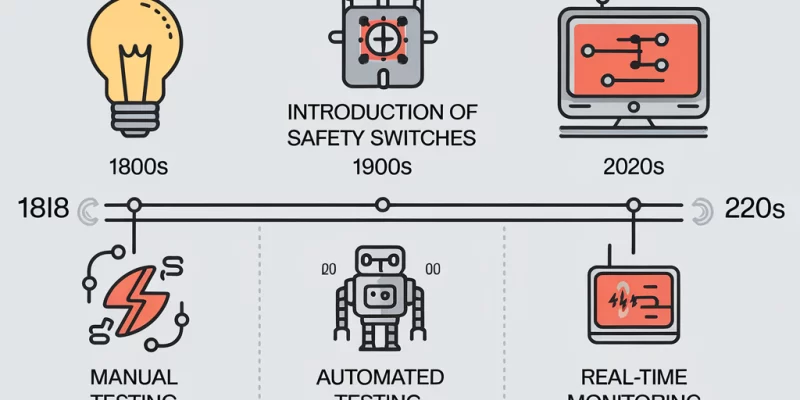
Electrical system safety has seen significant advancements over the years. Initially, safety checks relied heavily on manual testing, which, although effective, had its limitations.
Today, the focus has shifted towards real-time monitoring, ensuring continuous safety and efficiency. This evolution has been driven by the need for greater accuracy, reduced downtime, and enhanced reliability in electrical systems.
This article explores the journey from manual testing to real-time monitoring, highlighting the critical role of innovations like the insulation monitoring device in ensuring the integrity of electrical systems. Understanding this evolution provides insights into how modern technologies are shaping the future of electrical safety.
Manual Testing: The Early Days of Electrical Safety
In the early days, ensuring the safety of electrical systems involved manual testing methods. Technicians would physically inspect and test components, using tools such as multimeters and insulation testers. These methods required a high level of skill and experience, as the accuracy of the results depended heavily on the technician’s expertise.
Manual testing had several drawbacks. It was time-consuming and often required systems to be powered down, leading to operational downtime. Moreover, the periodic nature of these tests meant that faults could develop and go undetected between inspections, posing significant risks. Despite these challenges, manual testing laid the groundwork for understanding the importance of maintaining electrical system safety.
The Shift to Automated Testing
The limitations of manual testing prompted the development of automated testing methods. These innovations aimed to improve the efficiency and accuracy of safety checks.
Automated testing devices could perform more comprehensive tests in a fraction of the time it took to conduct manual inspections. This not only reduced downtime but also allowed for more frequent testing, thereby increasing the likelihood of detecting faults early.
Automated testing brought a significant improvement in the reliability of electrical systems. Devices like circuit analysers and relay testers could quickly identify issues that might have been missed during manual inspections. This shift marked a critical step towards modernising electrical safety protocols, setting the stage for the next phase: real-time monitoring.
Real-Time Monitoring: The Modern Approach to Safety
Real-time monitoring represents the most advanced stage in the evolution of electrical system safety. This approach involves continuously tracking the performance of electrical systems using sophisticated sensors and monitoring devices. Real-time data provides instant insights into the health of the system, enabling immediate detection and response to potential issues.
One of the key technologies in this field is the insulation monitoring device. These devices play a crucial role in maintaining the integrity of electrical insulation, especially in critical applications like railway signalling power systems.
By continuously monitoring insulation resistance, these devices can detect faults early, preventing potential failures and ensuring the smooth operation of railway services. For more detailed information on insulation monitoring devices, visit Viper Innovations.
Benefits of Real-Time Monitoring
Real-time monitoring offers numerous benefits over traditional testing methods. Firstly, it eliminates the need for scheduled downtime, as the system is constantly being monitored.
This leads to higher operational efficiency and less disruption. Secondly, continuous monitoring provides a more accurate and comprehensive picture of the system’s health, allowing for proactive maintenance rather than reactive repairs.
Furthermore, real-time monitoring enhances safety by allowing immediate action to be taken when a fault is detected. This reduces the risk of accidents and system failures, which can have serious consequences in industries like railways.
The ability to monitor and respond in real time ensures that electrical systems remain safe and reliable, supporting both performance optimisation and cost control.
Integration of Advanced Technologies
The integration of advanced technologies has revolutionised electrical system safety, providing more sophisticated tools for monitoring and maintenance.
Innovations such as Internet of Things (IoT) devices, artificial intelligence (AI), and machine learning have enhanced the capabilities of real-time monitoring systems.
These technologies enable more precise and predictive analysis of electrical systems, identifying potential issues before they become critical.
IoT devices, for instance, can collect vast amounts of data from various components of an electrical system. This data is then analysed using AI and machine learning algorithms to detect patterns and anomalies.
The combination of these technologies allows for predictive maintenance, where potential problems are addressed before they cause system failures. This proactive approach not only improves safety but also extends the lifespan of electrical systems and reduces maintenance costs.
The Role of Predictive Maintenance
Predictive maintenance represents a significant advancement in electrical system safety. Unlike traditional maintenance methods, which rely on scheduled inspections or reactive repairs, predictive maintenance uses data and analytics to predict when a component is likely to fail.
This approach ensures that maintenance is performed only when necessary, preventing unnecessary downtime and reducing costs. Predictive maintenance relies heavily on real-time monitoring data.
By continuously analysing the performance of electrical systems, it can identify trends and predict future failures. This allows for timely interventions, ensuring that any issues are addressed before they escalate. The result is a more efficient and reliable electrical system, with fewer unexpected breakdowns and reduced maintenance expenses.















Comments