
 By
By 
Architecture is often described as the art of storytelling through space, where each building reflects the era of its creation. But what happens when a building’s story spans centuries? How do architects honour the past while shaping a space for modern living? The answer lies in a delicate, thoughtful approach that respects heritage while embracing innovation.
This blog explores how architects worldwide have mastered the art of blending history with contemporary design. We then bring the discussion closer to home, delving into the transformation of Listed residential properties in the UK, where the challenge of bridging old and new is as much about preservation as it is about transformation.
Respecting History, Innovating for the Future
Heritage buildings are living records of craftsmanship, culture, and community identity. Their intricate façades, soaring ceilings, and meticulous details are monuments to a bygone era when time and artistry were luxuries.
Yet, these structures were not built to meet today’s demands for functionality, sustainability, and comfort. Architects must therefore navigate the fine line between preservation and progress, ensuring that buildings remain as relevant as they are reverent.
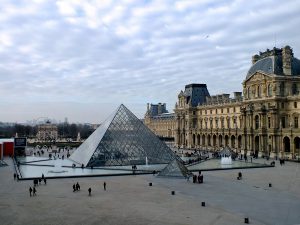
Take, for instance, the world-famous Louvre Pyramid in Paris. Designed by I. M. Pei, the glass and steel structure sits strikingly at the heart of the historic Louvre Palace, creating a bold juxtaposition between 20th-century minimalism and Renaissance grandeur. While initially divisive, the pyramid has become a cultural icon, proof that modern interventions can amplify the beauty of heritage.
Closer to home, Battersea Power Station in London tells a similar story. Once a crumbling relic of Britain’s industrial past, this Art Deco behemoth has been transformed into a vibrant hub of apartments, shops, and public spaces.
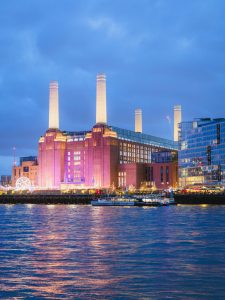
By retaining the building’s iconic chimneys and industrial shell, while introducing cutting-edge interiors and sustainable features, the project epitomises the synergy between preservation and reinvention.
These examples highlight a universal truth in architecture: when done well, merging the old and the new is not about competition but about creating dialogue, a seamless exchange between eras that enhances both.
The Philosophy Behind Merging Old and New
At the heart of this design approach lies a commitment to respect the essence of the original structure. Heritage features, whether they are ornamental details, brick façades, or timber beams, are preserved to celebrate the craftsmanship of the past.
These elements are often enhanced by modern materials such as glass and steel, chosen for their ability to contrast and highlight the building’s historical character.
The choice of how to blend these elements, whether through striking contrasts or subtle harmony, depends on the context. In some cases, a bold, contemporary intervention, like a cantilevered glass extension, can breathe fresh life into a heritage building, creating a visual statement.
In others, a more understated approach, using complementary materials and forms, preserves the building’s character while enhancing its functionality.
However, this balance is never purely aesthetic. It’s also about addressing the building’s practical needs. Many heritage structures were not designed for modern conveniences like central heating, open-plan layouts, or energy-efficient systems. Ensuring these spaces meet today’s standards without compromising their integrity is a critical part of the process.
The Residential Challenge: Transforming Heritage Homes in the UK
Nowhere is the challenge of balancing old and new more personal than in the transformation of residential properties. From Grade II-listed houses to homes located within conservation areas, the UK boasts a vast array of heritage properties that require architects to adopt a highly sensitive and tailored approach.
Heritage designations, such as listing or conservation area status, reflect a building’s historical, architectural, or cultural significance. Grade II-listed properties, which make up the majority of listed buildings in the UK, are considered “of special interest” and are protected under strict regulations to preserve their unique character.
Grade I and Grade II listings, which are rarer, often pertain to buildings of exceptional importance and impose even stricter conservation requirements. Beyond listed buildings, many homes are situated within conservation areas, which are designated to safeguard the architectural and historical significance of specific regions.
These protections ensure that heritage properties retain their character, but they also come with challenges. Planning permissions can vary significantly depending on the council, the local heritage officer, and the type of designation.
What is permissible in one conservation area or for one Grade II-listed building may be entirely prohibited in another. Architects must navigate these varied requirements while delivering designs that meet modern living standards.
Transforming Heritage Homes for Modern Living
Successfully working with heritage properties starts with meticulous research. This involves understanding the specific designation of the property, its historical significance, and the conservation guidelines that apply.
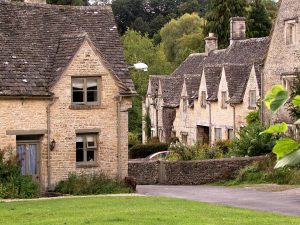
For example, Grade II-listed properties often require preserving external features like stonework, windows, or roofs, while internal changes may need approval if they affect key elements such as staircases or fireplaces.
In conservation areas, even seemingly minor alterations, such as changes to boundary walls or front-facing windows, may require consent to maintain the area’s historical coherence.
Preservation often means restoring original features like sash windows, lime plaster, or period cornices. These elements are not just decorative but integral to the building’s character. Architects must work with traditional materials and techniques to ensure these features are sensitively repaired or reconstructed.
Yet, preserving history is only half the equation. Modern homeowners expect spaces that cater to contemporary lifestyles, which presents unique challenges in heritage homes. Open-plan layouts, energy efficiency, and natural light are among the most requested updates, but achieving these in older properties can be complex.
When undertaking the transformation, renovation, or extension of listed buildings or properties within a conservation area, it is essential to work with a local architectural practice.
A practice with expertise in local planning requirements and a deep understanding of the area’s history, heritage, and traditional materials can make all the difference in ensuring a sensitive and successful project.
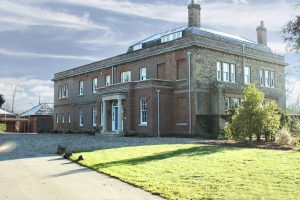
Based in Essex, Edward Parsley Associates specialises in the renovation and transformation of heritage buildings, collaborating with clients to breathe new life into rural homes. By blending period character with modern functionality, the practice creates living spaces that honour the past while embracing the needs of contemporary living.
Why Bridging Old and New Matters
The transformation of heritage properties into contemporary spaces is more than a technical or aesthetic exercise, it is a cultural responsibility. Each successful project ensures that a piece of history remains alive, allowing future generations to connect with their architectural roots.
At the same time, these transformations breathe new life into old buildings, ensuring they remain relevant, functional, efficient and sustainable.
This philosophy is particularly significant today, as adaptive reuse is recognised as a cornerstone of sustainable design. Repurposing heritage buildings reduces the environmental impact of demolition and new construction, making it a greener alternative. The juxtaposition of old and new also creates a rich design narrative, reflecting both the timelessness of heritage and the innovation of the present.















Comments