
 By
By 
Hypertension headaches are a condition that occurs when extremely high blood pressure pushes pain onto the head, typically in combination with other-threatening symptoms. Even though the headache and high blood pressure correlation has been disputed in medical books, severe hypertension can cause headaches which are distinct from everyday ones.
Identifying this connection and taking preventive action can regulate your blood pressure as well as reduce the threat of these painful attacks.
Understanding Hypertension Headaches
High blood pressure, or hypertension, arises in almost half of all American adults. It is also sometimes referred to as the “silent killer” due to the fact that it usually does not produce symptoms until it is advanced. Headaches and hypertension have been the target of continued research with conflicting results.
There is consensus among most authorities that mild to moderate hypertension (stages 1 and 2) will not be accompanied by headache, although severe headache might happen in the setting of other symptoms of a hypertensive crisis, when pressure increases above 180/120 mm Hg.
Symptoms of a Hypertension Headache
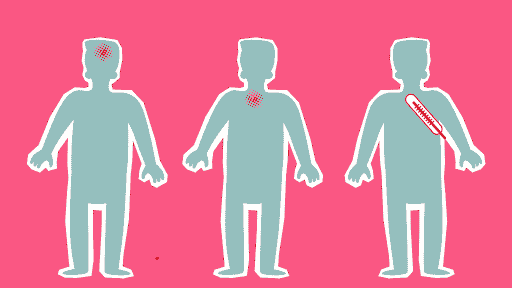
A hypertension headache differs from other headaches in the following respects:
- Generally affects both sides of the head
- Typically characterized as a throbbing or pulsating pain
- Generally more severe with movement
- May be associated with nausea or vomiting
- May feature blurred vision or visual changes
- May result in confusion or change in mental status
- Often refractory to over-the-counter analgesics
Warning: If you suddenly develop a severe headache and your blood pressure readings are extremely high (180/120 mm Hg or higher), call for emergency help at once. This may be a sign of a hypertensive crisis, which can cause stroke, heart attack, or other life-threatening crises.
The Relationship Between Blood Pressure and Headaches
Studies that have looked into the possible relationship between headaches and high blood pressure have yielded conflicting outcomes. Some reports show little or no substantial relationship between mild to moderate hypertension and headaches, although others show a potential relationship, especially with severe hypertension.
All we know is that when there is a hypertensive crisis, intracranial pressure increases as the blood pressure abruptly rises to dangerous levels. Such elevated pressure can be responsible for a headache that does not feel like common headaches or migraines and is unrelenting to conventional treatments for headaches.
Risk Factors for Hypertension Headaches
Knowing the risk factors for high blood pressure will allow you to evaluate your chances of suffering from hypertension headaches. The key risk factors are:
Unmodifiable Risk Factors
- Age: Risk increases with age, particularly after age 65
- Family history: Inherited tendency to develop high blood pressure
- Race: More common and more severe in Black individuals
- Gender: More prevalent in men until age 64, then more prevalent in women
Modifiable Risk Factors
- Diet: Low potassium, high sodium
- Physical inactivity: Sedentary lifestyle
- Obesity: Excess weight, especially around the waistline
- Alcohol use: Heavy or daily consumption of alcohol
- Tobacco: Smoking or smoking equipment
- Stress: Recurring stress can increase blood pressure
Prevention Strategies for Hypertension Headaches
The best way to avoid hypertension headaches is to control your blood pressure. These are thorough strategies to prevent your blood pressure from entering unhealthy levels and lowering your risk of hypertension headaches.
Dietary Approaches
What you put in your body has a big impact on blood pressure regulation. Try these eating strategies:
- DASH Diet: The DASH Diet was created with the express purpose of lowering blood pressure. Fruits, vegetables, whole grains, and low-fat milk and dairy are the focuses, and saturated-fat and added sugars are restricted.
- Cut back on sodium: Try for less than 2.300 mg of sodium daily (approximately a teaspoon of salt), or less than 1.500 mg if you have high blood pressure.
- Increase potassium: Potassium-rich foods neutralize sodium intakes. Bananas, oranges, potatoes, spinach, and avocados are potassium-rich foods.
- Decrease drinks: Too much alcohol can increase blood pressure. Women limit one drink daily, and men two.
- Stay hydrated: Adequate fluid intake keeps blood volume constant and helps kidneys eliminate waste products from the bloodstream.
Regular Physical Activity
Exercise conditions your heart to function more efficiently and pump blood with less effort, thus lowering blood pressure. The goal is:
- At least 150 minutes of moderate-intensity aerobic physical activity (such as brisk walking, swimming, or cycling) per week
- Muscle-strengthening exercise on at least two days per week
- Daily physical activity and avoidance of prolonged sitting
- Gradual progression to activity if you’re inactive
Stress Management
Chronic stress can lead to high blood pressure and also provoke headaches. Some effective techniques of stress management are:
- Deep breathing exercise
- Progressive relaxation of muscles
- Adequate sleep (7-9 hours per night)
- Prioritizing time and setting realistic goals
- Social support and networks
- Reducing exposure to stressful situations whenever possible
Yoga and Meditation
Yoga and meditation are great ways to cope with blood pressure and prevention of hypertension headaches. They balance physical postures, breathing, and awareness to fight tension and enhance relaxation.
Most visitors discover that it becomes easier to develop these routines when they are at a Yoga Hotel in Ubud. Ubud is one of those locations where peaceful, crisp air and a slowed-down pace of life contribute a healthier feeling of living. It’s also highly supportive of yoga since the atmosphere provides for normalcy, concentration, and deeper relaxation—counteracting the physical and mental tension responsible for most headaches.
Reiki and Other Holistic Approaches
Alternative treatments can be used in conjunction with traditional hypertension treatments. Reiki is a Japanese energy healing modality that reduces stress and promotes relaxation and, therefore, has the potential to lower blood pressure.
In a session of Reiki, a practitioner lays hands on or lightly on top of the body and allows energy to flow and balance. People are usually very relaxed after a session and, because they are relaxed, can decrease the stress that causes high blood pressure.
Reiki sessions in serene areas such as Bali have the potential to intensify healing impacts. Quite a number of well-being seekers choose Reiki in Bali, where the spiritual energy of the island supports this treatment. The natural beauty and serene environment of the island provide a favorable setting for healing and rejuvenation, with possibilities of boosting the blood pressure-decreasing effects of this gentle therapy.
Note: Before beginning any complementary therapy, always check with your health care provider if you have diagnosed high blood pressure or are taking medication for high blood pressure.
When to Seek Emergency Care
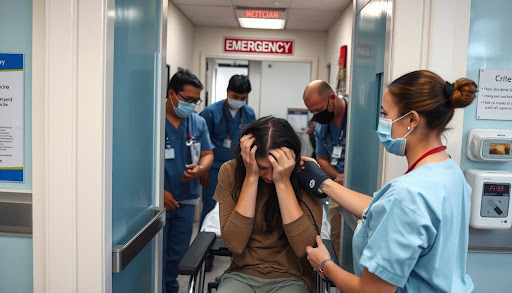
Seek emergency care at once if you have:
- Blood pressure reading of more than 180/120 mm Hg
- Suddenly appearing severe headache
- Chest pain or shortness of breath
- Intense anxiety
- Nausea and vomiting
- Seizure
- Blurred vision or changes in vision
- Altered mental status or confusion
- Weakness or numbness of the face, arm, or leg, particularly on one side
These can be signs of a hypertensive emergency, which needs urgent medical care to avoid organ damage, stroke, or other life-threatening effects.
Don’t try to rapidly lower your blood pressure at home with a hypertensive emergency, even if you have medications on hand. Sudden blood pressure drops are risky and should only be accomplished in a medical setting.
Conclusion
Although the association between daily headache and mild to moderate hypertension is controversial, profoundly elevated blood pressure indeed produces headaches that need urgent attention. The optimal prevention of hypertension headache is total control of blood pressure by the coordination of a healthy way of life, stress management maneuvers, and proper medical treatment.
Bear in mind that prevention is always better than cure. The type of living which makes blood pressure controllable also contributes to overall health and well-being, with advantages extending far beyond headache prevention.
















Comments