
 By
By 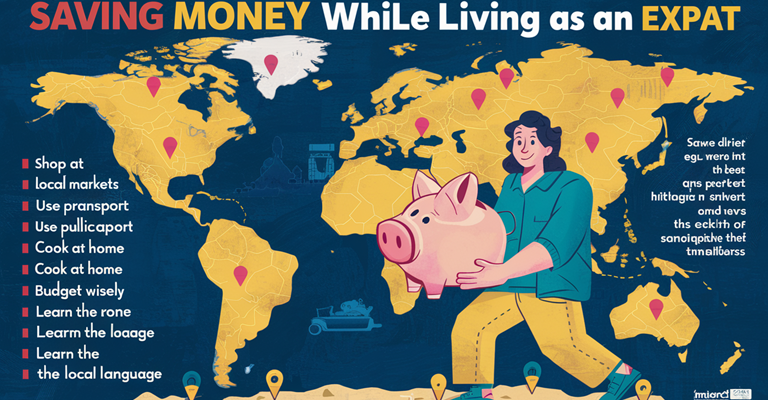
Everyone could use some financial-saving tips, including expats. If you live abroad, you understand the importance of budgeting and saving money. Doing so opens up opportunities for travel, investment, and future financial security. In this article, we’ll explore practical tips and strategies to help you maximize your savings and make the most of your expat experience.
Understanding the Financial Challenges
To effectively manage your finances as an expatriate, you must grasp the unique financial hurdles you may encounter. Understanding these challenges will help you confidently navigate them. Furthermore, you’ll make informed decisions to optimize your savings.
- Navigating Currency Exchange Rates: As an expat, you’ll often deal with currency exchange rates that can impact the value of your money. Fluctuations in exchange rates can affect your purchasing power and the overall cost of living.
- Adapting to Different Financial Systems: Each country has financial regulations, banking systems, and tax structures. Adapting to these unfamiliar financial systems may require you to seek professional advice to ensure compliance and solidify your financial strategies.
- Managing International Banking Fees: International transactions and ATM withdrawals may incur additional fees and unfavorable exchange rates. Be aware of these fees and find cost-effective ways to manage your banking transactions. It can help you avoid unnecessary expenses.
- Navigating Tax Implications: Tax regulations for expatriates can be complex. There are potential implications in both your home country and the country of residence. Understanding your tax obligations and deductions can help you avoid penalties and maximize your tax efficiency.
Proactively addressing these financial challenges can enhance your financial stability as an expatriate. You can also work towards achieving your savings goals.
Best Practices for Budgeting as an Expat
When living as an expat, budgeting effectively is vital to managing your finances. Here are some best practices to help you save money:
Creating a Realistic Budget
Start by listing all your sources of income and categorizing your expenses. Allocate a specific amount to essentials like rent, groceries, and utilities, as well as to savings and discretionary spending. Make sure your budget aligns with your income to avoid overspending.
Tracking Expenses Effectively
Use budgeting apps or spreadsheets to track your spending. Monitor your expenses regularly to identify areas for savings. By keeping a close eye on your finances, you can make informed decisions.
Maximizing Savings Opportunities Abroad
You can optimize your saving potential by leveraging various opportunities in your new environment. Here are some effective strategies to help you maximize your savings:
- Take Advantage of Local Discounts and Deals: Explore local promotions, discounts, and loyalty programs. Finding discounts helps you save on everyday expenses such as groceries, dining, transportation, and entertainment.
- Utilize International Money Transfer Services: Opt for reputable international money transfer services that offer competitive exchange rates and lower fees. Transferring money through these services can help you save on currency conversion costs and transfer fees.
- Invest in Tax-Advantaged Accounts: Consider investing in tax-advantaged accounts or retirement plans in your host country. These accounts often provide incentives to boost your savings in the long run. Research and consult financial advisors to understand the best options for your financial goals.
- Shop Strategically for Insurance: Evaluate and compare insurance options in your new location to find cost-effective coverage. Look for health insurance plans, expat-specific policies, and bundle deals to ensure you are covered without overspending on premiums.
- Embrace Minimalism and Sell Unnecessary Items: Embracing a minimalist lifestyle declutters your living space. Plus, it helps you generate extra income by selling items you no longer need. Consider selling unused belongings, furniture, or electronics. It’s easy to sell items on local marketplaces or online platforms to supplement your savings.
- Participate in Local Investment Opportunities: Explore local investment opportunities or peer-to-peer lending platforms in your host country. It’ll diversify your portfolio, and you’ll potentially earn higher returns on your investments. Be sure to conduct thorough research, though, and seek advice from financial experts.
By implementing these strategies and finding saving opportunities, you can enhance your financial stability. Adapt these tips to your circumstances and prioritize financial security and growth.
Conclusion
Ensuring financial stability as an expat involves strategic planning and disciplined saving habits. By understanding the unique financial landscape abroad, you can navigate challenges such as international banking fees and tax considerations.
Implementing practical steps like setting savings goals, automating deposits, and monitoring progress can bolster your financial resilience. Remember, every small saving adds up over time. By proactively managing your finances and prioritizing your emergency fund, you set yourself up for a more secure expat experience.




Comments