
 By
By 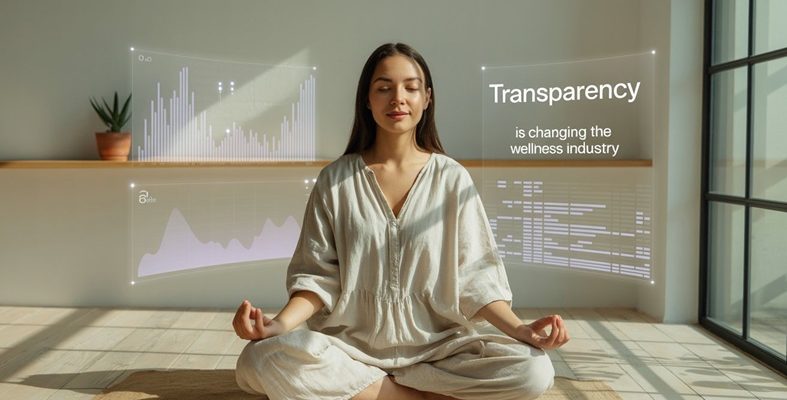
A fascinating phenomenon is unfolding across the world of wellness. Once, secrecy lingered like a fog over ingredient lists, behind-the-scenes processes, and ethical sourcing. No more. It’s as if someone flung open every window in a musty parlour. The result? An industry suddenly vulnerable to scrutiny – and, miraculously, thriving on it. Scepticism used to be the default mode. Now? Curiosity has replaced cynicism for many consumers who want truth without the tedious corporate double-speak.
Let’s not pretend this was inevitable. Giants don’t topple themselves; they get nudged – sometimes by trolls under their own bridges, other times by the digital mobs outside the gates. There is power in data, but there’s even more in stories told plainly, warts and all.
The Demand for Clarity
There’s an almost comic spectacle playing out online: hundreds are trawling through forums at midnight searching for HHC flower online because vague claims no longer cut it. Sleek packaging does little when people ask pointed questions about compounds, origins, and testing certificates. Vague reassurances have been tossed onto the compost heap next to last year’s miracle detox teas. Now, buyers expect lab reports before placing trust (or money) anywhere near a supplement or botanical blend. Cosmic irony that modern sceptics are driving companies to disclose what should have been obvious all along.
Social Media Pressure Cooker
Fifteen years ago, nobody cared what their neighbour thought about supplements, except maybe that one relative with endless anecdotes at Christmas dinner. Today? A single post can detonate across thousands of timelines before breakfast ends, dragging brands into uncomfortable spotlights if transparency slips for even a heartbeat. Peer review now isn’t just for academic journals: it happens daily in feeds where everyone fancies themselves part scientist, part moral compass, part comedian on a slow Tuesday night.
The Science of Saying “Maybe”
Researchers are investigating the potential benefits of countless ingredients spun through wellness marketing machines – CBD being an enduring favourite despite its sibling THC usually hogging headlines elsewhere. Here’s where transparency gets tricky: bold promises are stripped back as soon as anyone mentions clinical trials or real-world results, rather than wishful testimonials crafted for maximum enthusiasm per pixel inch. Some people find the results spectacular; others notice nothing at all, except lighter wallets and heavier email inboxes filled with new product launches promising yet again to “change everything”.
Business Model Upended
A final word then: honesty sells better than spin ever did in this age of radical transparency sweeping through wellness circles like an eager spring breeze after decades stuck closed indoors. Those expecting blind faith will be disappointed; those prepared to share lab sheets and acknowledge unknowns stand ready for loyalty built on candour rather than charisma alone—quite possibly ushering in an era where health claims mature alongside consumer expectations, step by slightly awkward step, into proper adulthood at last.
Conclusion
The wellness industry’s lies are no longer working. People who use search engines and are sceptical don’t believe the old trick of distracting with one hand and hiding ingredients with the other anymore. In this new world, every smartphone is a courthouse, and every social media feed is a jury. This means that we need to go from making big claims to getting third-party lab tests. The corporations that do the best after this upheaval will be the ones with the most honest bookkeepers, who build empires on proof rather than charm.
















Comments