
 By
By 
Recovery from addiction is more than just stopping substance use. It’s about rebuilding a life that’s balanced, healthy and fulfilling. For many, traditional treatment methods such as counselling and medical support provide essential structure, but recovery also benefits from approaches that nurture the mind, body and spirit. Complementary therapies offer this holistic support, helping individuals navigate challenges, manage stress and strengthen their overall wellbeing.
Understanding Complementary Therapies
Complementary therapies encompass a wide range of practices that are used alongside conventional treatments to improve physical and emotional health. They’re not a replacement for medical intervention but serve to complement it, helping people manage stress, alleviate physical symptoms, and cultivate emotional resilience. Common therapies include yoga, mindfulness meditation, acupuncture, massage, art therapy, music therapy, and aromatherapy. Each approach offers unique benefits, and when tailored to an individual’s needs, can significantly enhance the recovery experience.
Managing Stress and Emotional Wellbeing
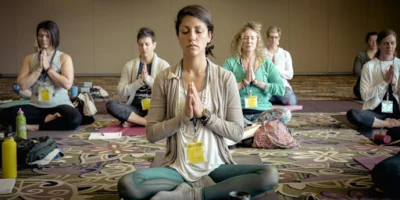
One of the most important aspects of recovery is learning to manage stress and cope with emotions without relying on substances. Techniques like mindfulness meditation and yoga are particularly effective in this regard. Mindfulness encourages people to stay present and observe their thoughts without judgement, helping to reduce anxiety and prevent relapse. Yoga combines physical movement with breath control, promoting relaxation, improving mood and enhancing overall physical health. Together, these practices create a sense of inner calm that can be crucial during the often challenging early stages of recovery.
Addressing Physical Health and Pain
Addiction can take a serious toll on the body, leading to chronic pain, tension, and other health issues. Complementary therapies such as acupuncture, massage, and physiotherapy can alleviate physical discomfort and improve mobility. Acupuncture, for instance, has been shown to reduce cravings and ease withdrawal symptoms in some individuals, while massage therapy can help release tension and promote better sleep. By supporting the body’s natural healing processes, these therapies contribute to a more comfortable and sustainable recovery experience.
Enhancing Emotional Expression and Creativity
Creative therapies like art and music therapy offer a non-verbal way for people to express complex emotions that may be difficult to articulate. These therapies provide a safe space for exploring feelings of grief, anger, guilt or fear, which are often present during recovery. Engaging in creative activities can foster a sense of accomplishment and self-discovery, helping people reconnect with themselves and their passions. This emotional expression can be deeply therapeutic, complementing traditional counselling or group therapy sessions.
Integrating Complementary Therapies into Recovery Programmes
Many treatment programmes now incorporate complementary therapies as part of a holistic approach to recovery. When offered alongside counselling, medical care and peer support, these therapies help people build coping skills, improve emotional regulation and strengthen resilience. Those seeking structured programmes that integrate complementary therapies may benefit from exploring specialised rehab centres in Ireland, where comprehensive treatment plans are designed to address the physical, mental and emotional aspects of addiction.
Supporting Long-Term Recovery
Recovery isn’t a straightforward process, and long-term success often depends on maintaining a balanced lifestyle. Complementary therapies encourage people to prioritise self-care, build healthy routines and nurture their mental and emotional wellbeing. By equipping people with practical tools for stress management, emotional expression and physical health, these therapies create a strong foundation for sustained recovery and personal growth.














Comments